最佳草药推荐: 长寿与抗衰
75 种草药按证据评分排名 · 第 6 页,共 8
Agaricus Mushroom 巴西蘑菇
A Brazilian mushroom known as 'God's mushroom.' Contains unique beta-glucans studied for immune stimulation and blood sugar regulation. Popular in Japan as an adjunct cancer therapy.
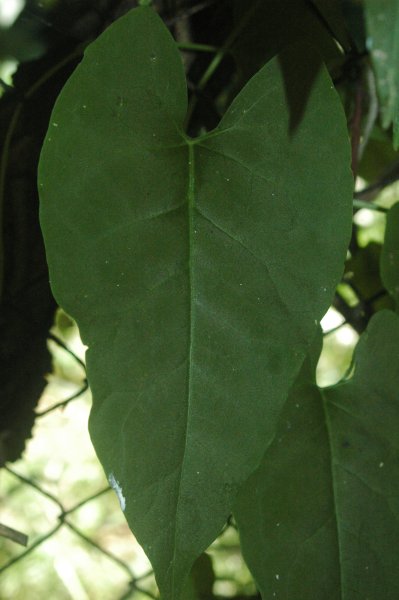
Jiaogulan Tea 七叶胆茶
Southern China's longevity tea — regions where it's consumed daily have notably high centenarian populations. Contains gypenosides structurally similar to ginsenosides.
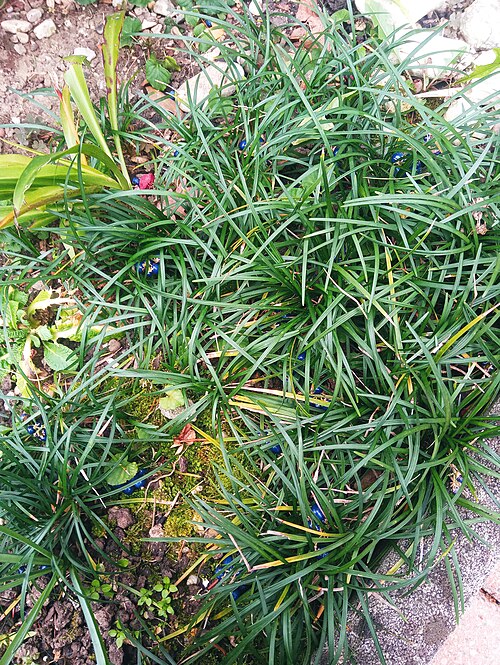
Ophiopogon (Mai Men Dong) 麦冬
A yin-nourishing herb for dry lungs, thirst, and constipation. Used in the famous Sheng Mai San formula for heart qi deficiency. Generates fluids and calms the heart.
He Shou Wu (Fo-Ti) 何首乌
A legendary TCM longevity herb traditionally used for hair darkening, liver/kidney support, and anti-aging. Named after a man who supposedly regained his youth.
Chrysanthemum 菊花
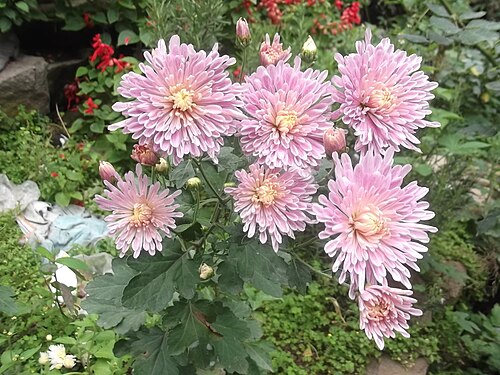
One of the most popular herbal teas in China. Used in TCM to clear heat, soothe eyes, and calm headaches. Rich in antioxidants with anti-inflammatory properties.
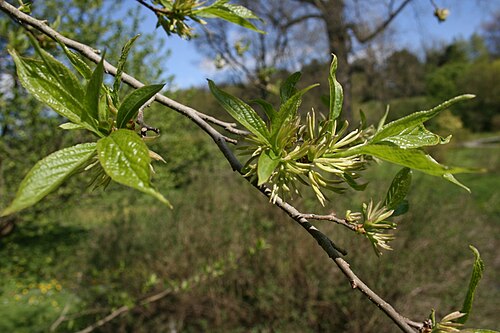
Eucommia Bark 杜仲
A primary TCM herb for lower back pain, weak knees, and bone strength. Also used for blood pressure support. The only rubber-producing tree native to China.
Pine Bark Extract 松树皮
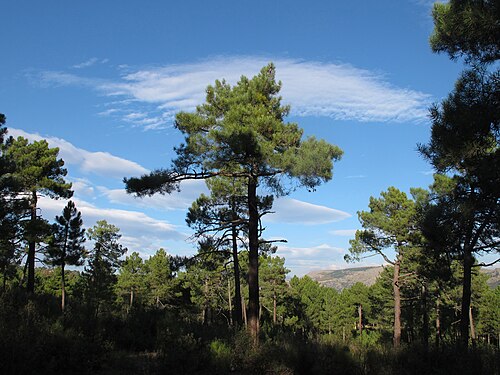
Rich in proanthocyanidins (OPCs) — powerful antioxidants. Pycnogenol (French maritime pine) is the most studied form. Evidence for circulation, skin, and cognitive support.
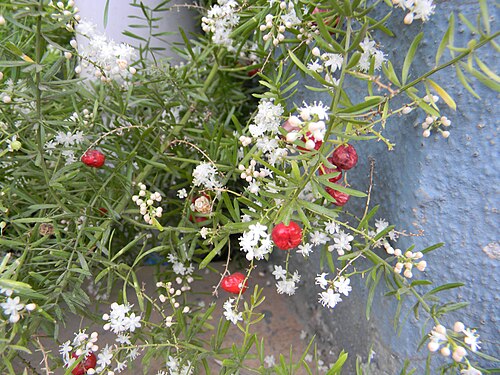
Shatavari 天门冬
The primary female reproductive tonic in Ayurveda. Used for fertility, lactation, and menopausal support. The Chinese variety (Tian Men Dong) is used for lung and kidney yin.
Astaxanthin 虾青素
The most powerful carotenoid antioxidant — 6,000x stronger than vitamin C. Derived from microalgae. Strong evidence for eye health, skin protection, and exercise recovery.
White Tea 白茶
The least processed form of tea — higher in catechins and polyphenols than green tea in some studies. Potent antioxidant, anti-aging, and skin-protective properties.