์ถ”์ฒœ ํ—ˆ๋ธŒ: ์ˆ˜๋ฉด & ์ด์™„

18 ๊ฐœ ํ—ˆ๋ธŒ๋ฅผ ๊ทผ๊ฑฐ ์ˆœ์œผ๋กœ ์ •๋ ฌ ยท ํŽ˜์ด์ง€ 2 / 2

11

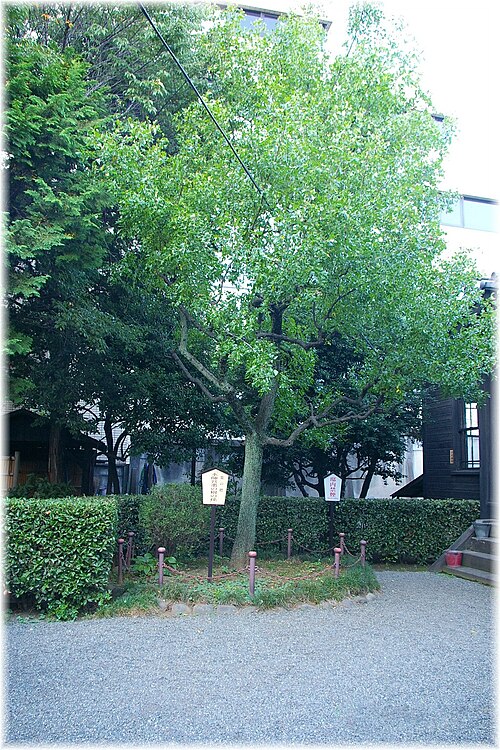
Jujube (Chinese Date) ๅคงๆžฃ

One of the most consumed fruits in TCM. Used for calming the mind, improving sleep quality, and nourishing blood. Rich in vitamin C and antioxidants.

5.5/10
12

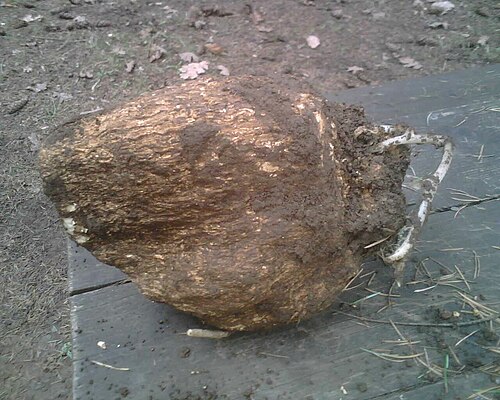
Poria (Fu Ling) ่Œฏ่‹“

A fungus that grows on pine tree roots, widely used in TCM for dampness, edema, insomnia, and digestive issues. One of the most prescribed herbs in classical formulas.

5.5/10
13

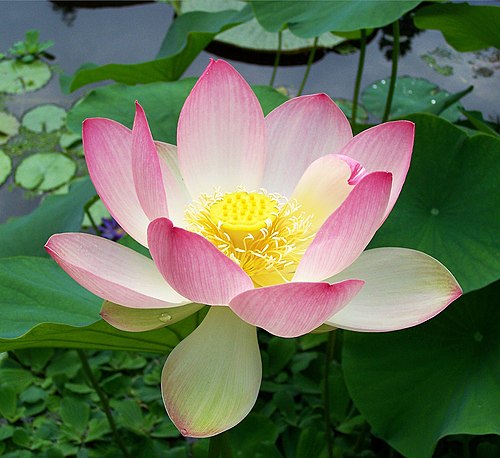
Lotus Seed ่Žฒๅญ

Used in TCM to calm the mind, strengthen the spleen, and stop diarrhea. Also a popular food ingredient in Chinese soups and desserts. Rich in minerals and alkaloids.

5.5/10
14

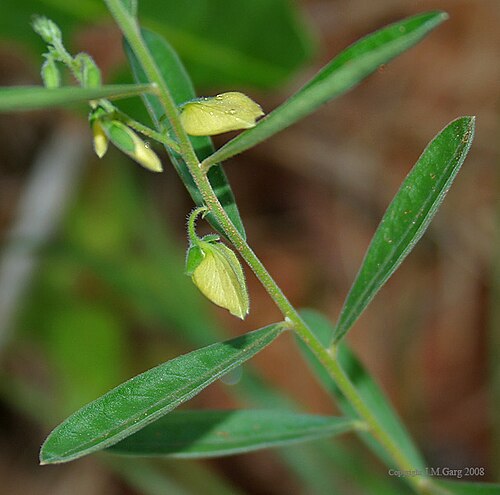
Polygala Root (Yuan Zhi) ่ฟœๅฟ—

Name means 'strengthen the will' โ€” used for forgetfulness, insomnia, anxiety, and mental restlessness. Expels phlegm from the heart orifice. Modern research shows neuroprotective effects.

5/10
15

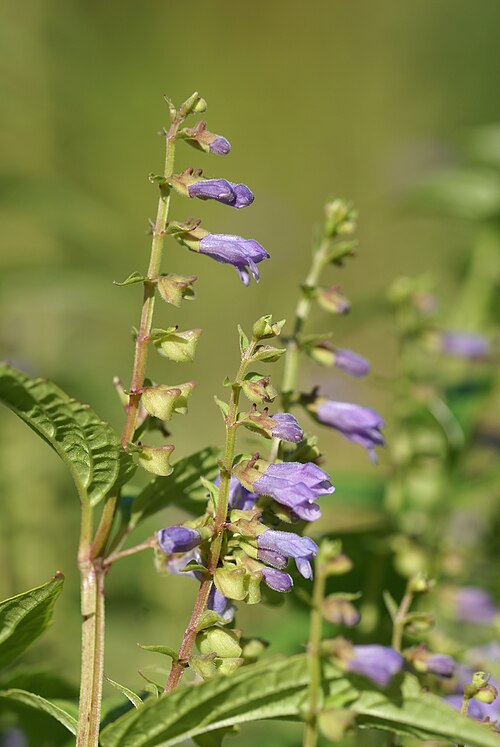
American Skullcap ็พŽ้ป„่Šฉ

Different from Baikal skullcap โ€” this North American species is used as a nervine for anxiety, insomnia, and nervous tension. Milder and more calming than its Chinese cousin.

4/10
16

Ziziphus Seed (Suan Zao Ren) ้…ธๆžฃไป

The seed of sour jujube โ€” TCM's primary herb for insomnia and anxiety. Nourishes heart blood and calms the spirit. Key ingredient in Suan Zao Ren Tang, the most famous sleep formula.

4/10
17

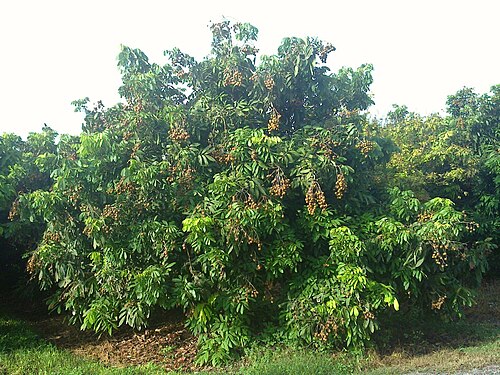
Longan Fruit ้พ™็œผ่‚‰

A sweet fruit used in TCM for nourishing blood, calming the spirit, and improving memory. Popular in Chinese tonic soups and teas for anxiety and insomnia.

3.5/10
18

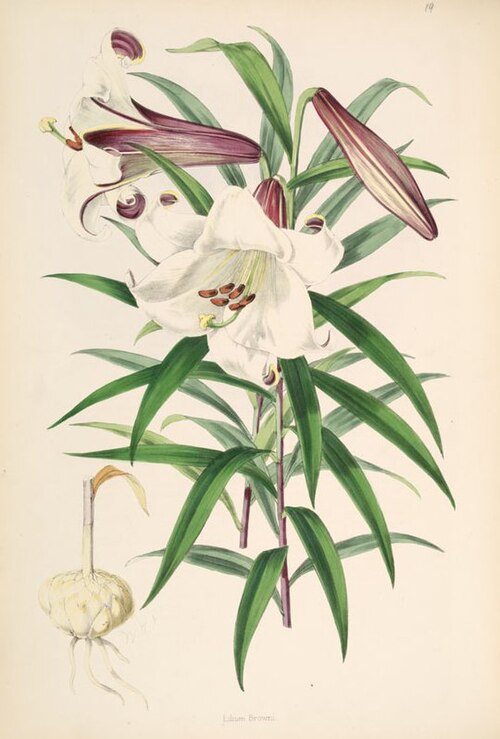
Lily Bulb (Bai He) ็™พๅˆ

A TCM herb and food for moistening the lungs and calming the spirit. Used for dry cough, insomnia, and restlessness. Also eaten in Chinese soups as a nutritive food.

3/10