Best Herbs for Sleep & Relaxation
Herbs that promote restful sleep, calm the nervous system, and support healthy sleep-wake cycles.
18 herbs · Page 1 of 2
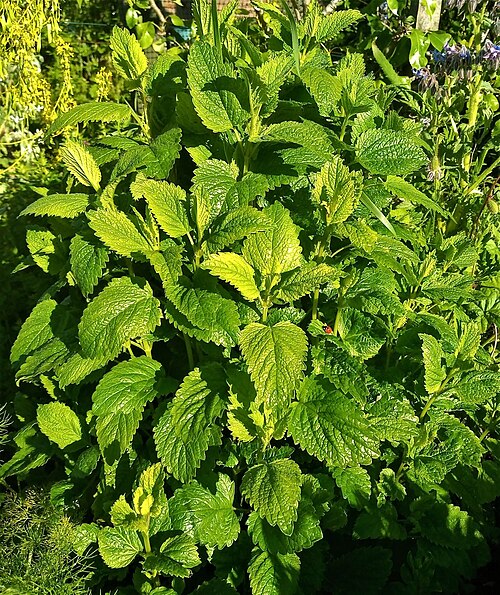
Lemon Balm 蜜蜂花
A gentle calming herb from the mint family. Clinical evidence for anxiety, sleep, cold sores (HSV), and cognitive function. One of the safest herbs for daily use.
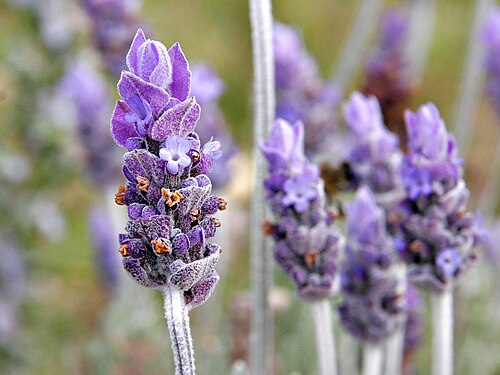
Lavender 薰衣草
Clinical evidence for anxiety and sleep improvement from both oral supplements (Silexan/Lavela) and aromatherapy. One of the most well-studied herbs for stress relief.
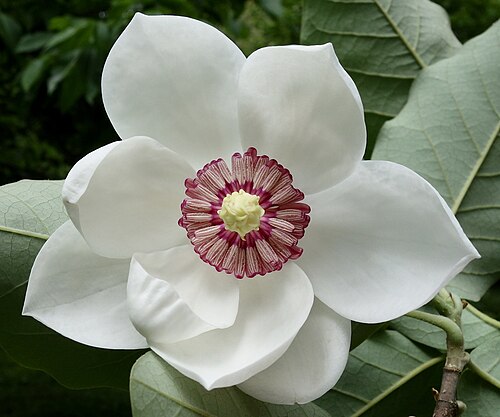
Magnolia Bark 厚朴
Contains honokiol and magnolol — compounds studied for anxiolytic effects comparable to diazepam. Used in TCM for digestive bloating, anxiety, and sleep.
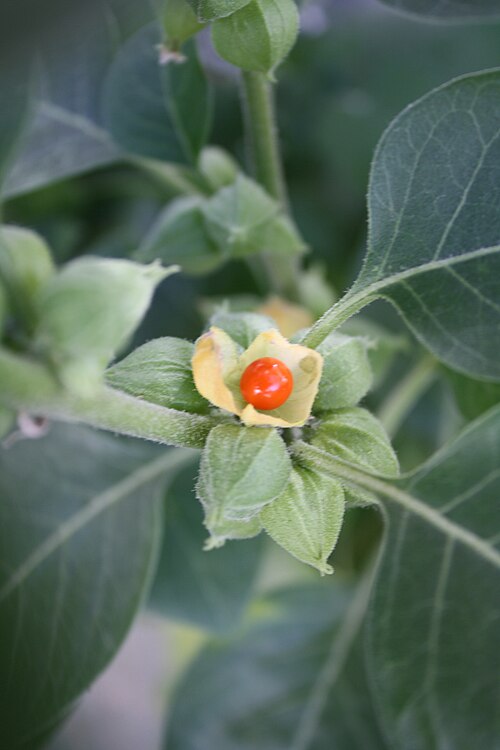
Ashwagandha 南非醉茄
An Ayurvedic adaptogen now widely used globally. Strong clinical evidence for reducing stress and anxiety, improving sleep quality, and boosting testosterone in men.
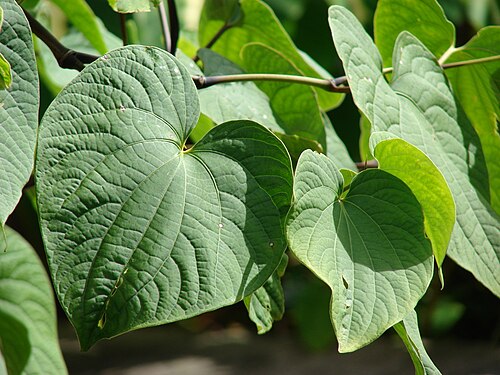
Kava 卡瓦胡椒
A Pacific Islands ceremonial plant with strong clinical evidence for anxiety reduction. Contains kavalactones that modulate GABA receptors. Controversial due to rare liver concerns.
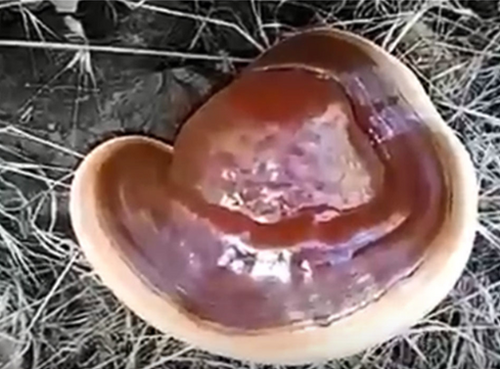
Reishi Mushroom 灵芝
Known as the 'mushroom of immortality' in Chinese medicine. Extensively studied for immune modulation, stress relief, and sleep support.
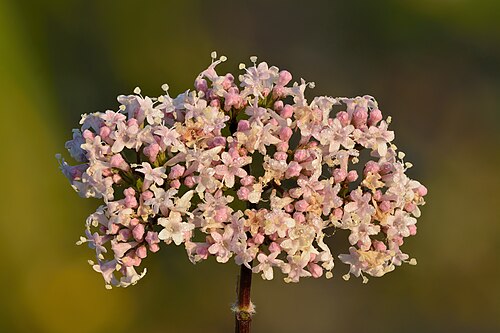
Valerian Root 缬草
A sedative herb used for centuries in Europe and TCM for insomnia and anxiety. Acts on GABA receptors to promote relaxation and sleep without morning grogginess.
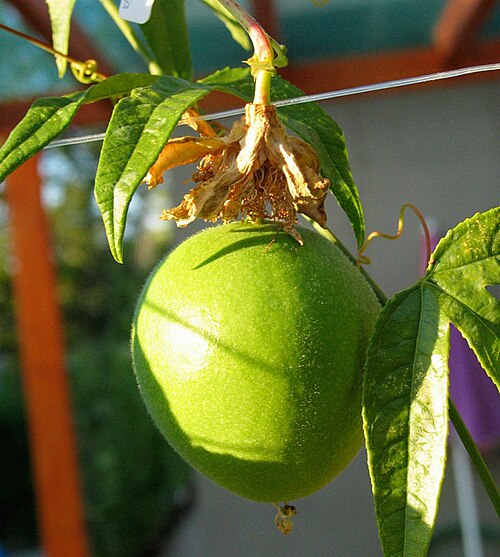
Passionflower 西番莲
A gentle nervine herb for anxiety and insomnia. Clinical trials show comparable effects to benzodiazepines for anxiety but without sedation or dependency risk.
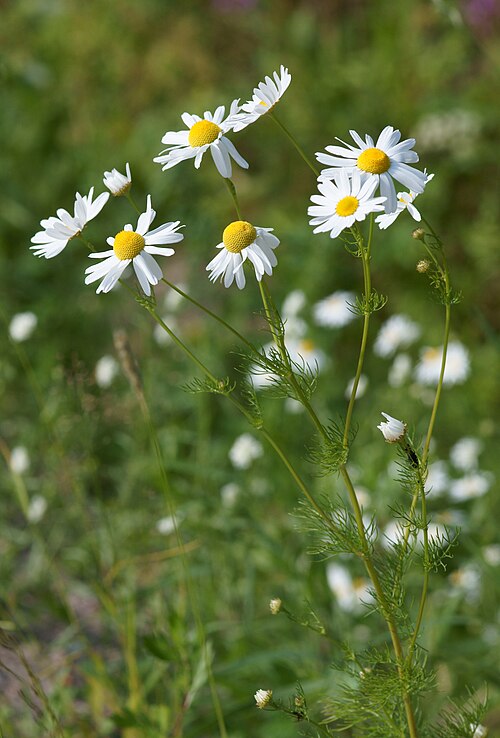
Chamomile 洋甘菊
One of the world's most consumed herbal teas. Mild sedative and anti-anxiety effects from apigenin binding to GABA receptors. Also anti-inflammatory and digestive-soothing.
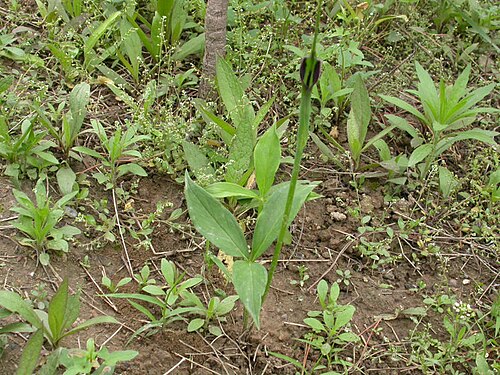
Pinellia (Ban Xia) 半夏
The primary TCM herb for resolving phlegm and stopping vomiting. Always used in processed form (raw is toxic). Key ingredient in formulas for nausea, cough, and insomnia with phlegm.