最佳草药推荐: 睡眠与放松
18 种草药按证据评分排名 · 第 2 页,共 2
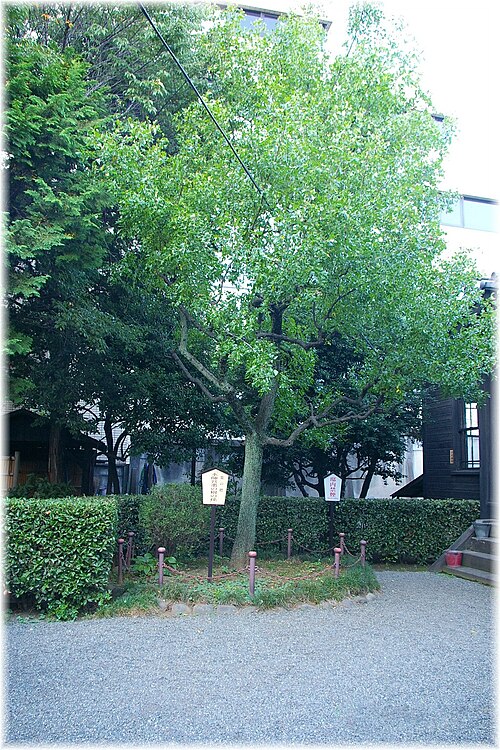
Jujube (Chinese Date) 大枣
One of the most consumed fruits in TCM. Used for calming the mind, improving sleep quality, and nourishing blood. Rich in vitamin C and antioxidants.
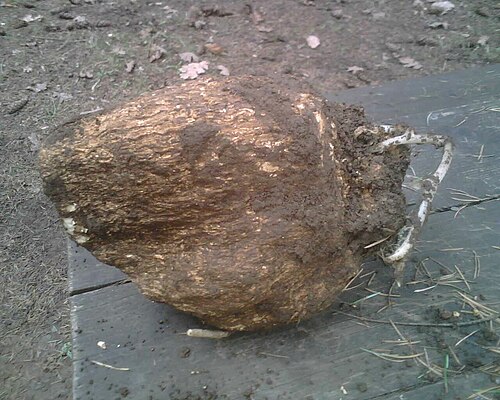
Poria (Fu Ling) 茯苓
A fungus that grows on pine tree roots, widely used in TCM for dampness, edema, insomnia, and digestive issues. One of the most prescribed herbs in classical formulas.
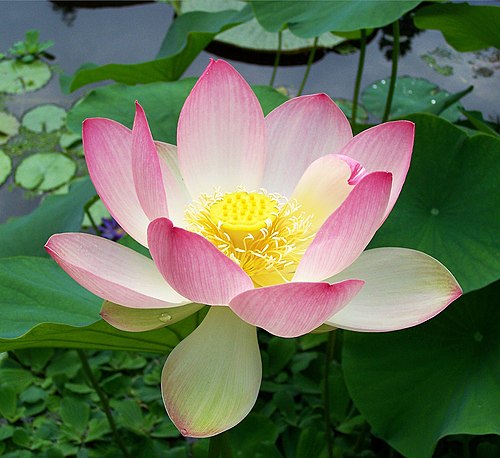
Lotus Seed 莲子
Used in TCM to calm the mind, strengthen the spleen, and stop diarrhea. Also a popular food ingredient in Chinese soups and desserts. Rich in minerals and alkaloids.
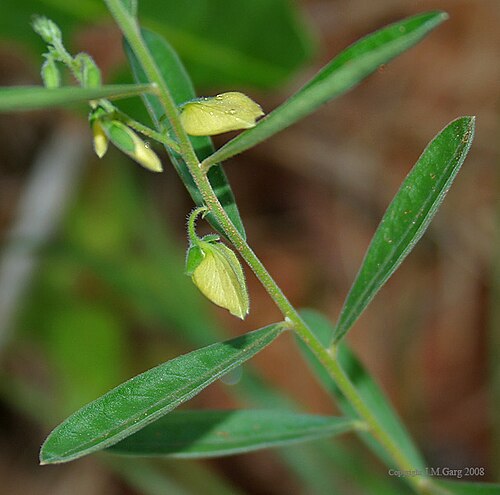
Polygala Root (Yuan Zhi) 远志
Name means 'strengthen the will' — used for forgetfulness, insomnia, anxiety, and mental restlessness. Expels phlegm from the heart orifice. Modern research shows neuroprotective effects.
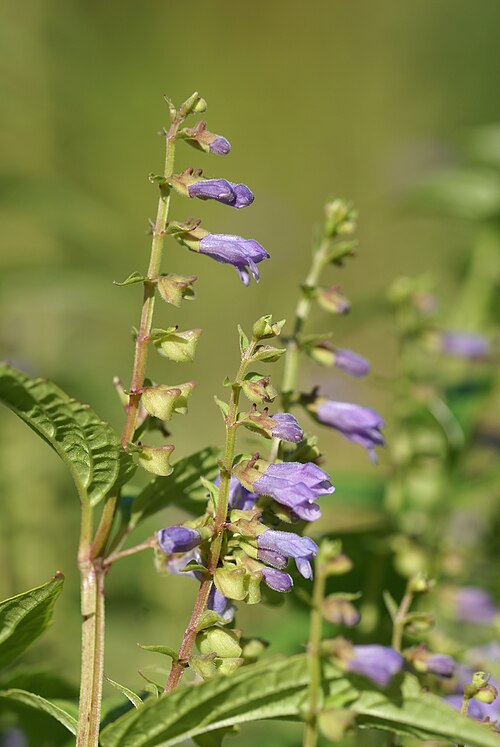
American Skullcap 美黄芩
Different from Baikal skullcap — this North American species is used as a nervine for anxiety, insomnia, and nervous tension. Milder and more calming than its Chinese cousin.
Ziziphus Seed (Suan Zao Ren) 酸枣仁
The seed of sour jujube — TCM's primary herb for insomnia and anxiety. Nourishes heart blood and calms the spirit. Key ingredient in Suan Zao Ren Tang, the most famous sleep formula.
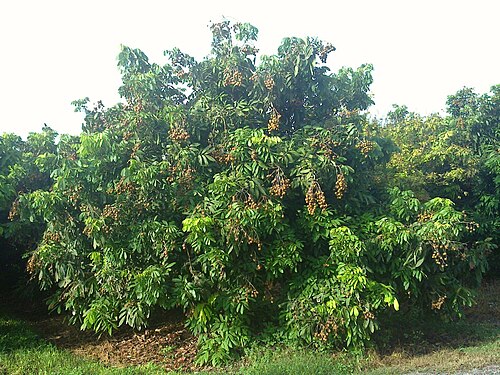
Longan Fruit 龙眼肉
A sweet fruit used in TCM for nourishing blood, calming the spirit, and improving memory. Popular in Chinese tonic soups and teas for anxiety and insomnia.
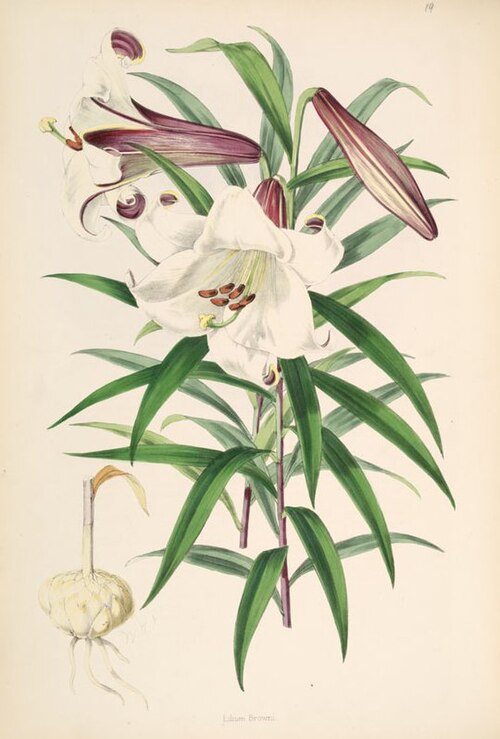
Lily Bulb (Bai He) 百合
A TCM herb and food for moistening the lungs and calming the spirit. Used for dry cough, insomnia, and restlessness. Also eaten in Chinese soups as a nutritive food.