最佳草药推荐: 免疫支持
59 种草药按证据评分排名 · 第 2 页,共 6
Cranberry 蔓越莓
Strong evidence for preventing urinary tract infections through anti-adhesion mechanisms. Proanthocyanidins prevent E. coli from attaching to bladder walls. Also supports gut health.
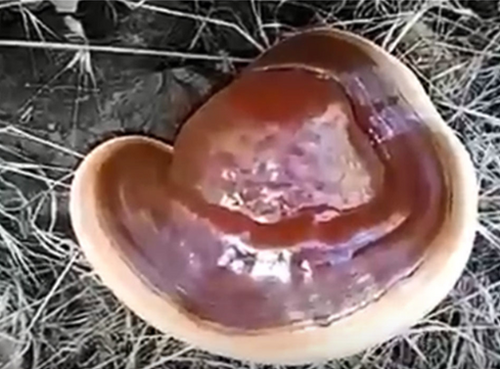
Reishi Mushroom 灵芝
Known as the 'mushroom of immortality' in Chinese medicine. Extensively studied for immune modulation, stress relief, and sleep support.
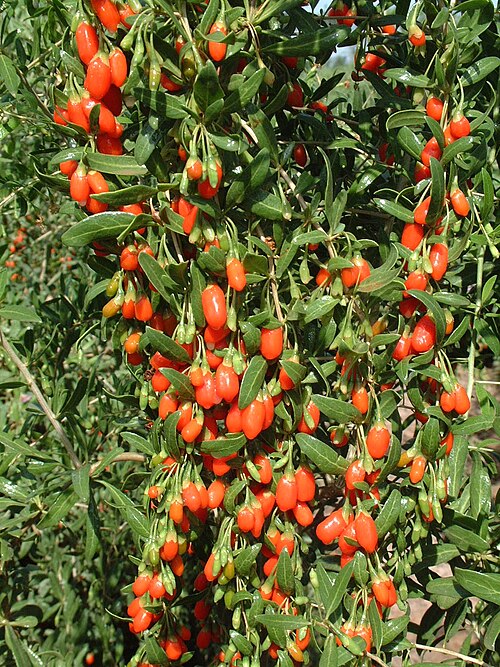
Goji Berry 枸杞
A nutrient-dense berry used in TCM for eye health, liver support, and vitality. Rich in antioxidants, vitamins, and unique polysaccharides.
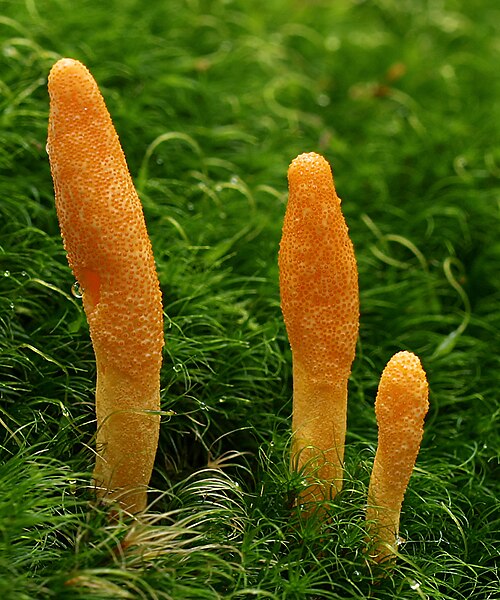
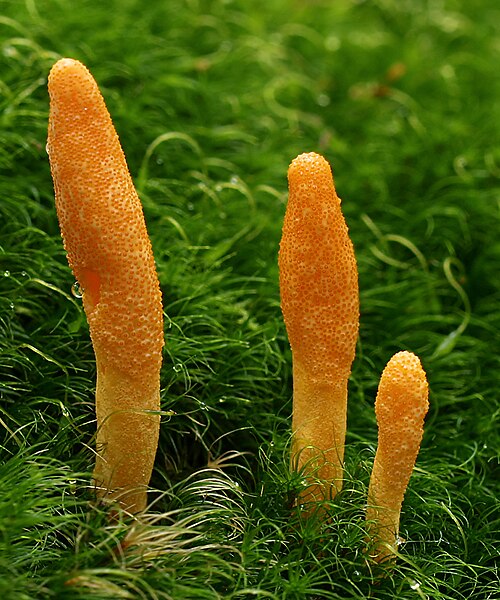
Cordyceps 冬虫夏草
A parasitic fungus prized in TCM for boosting athletic performance, respiratory health, and kidney function. Modern studies focus on its energy-enhancing properties.
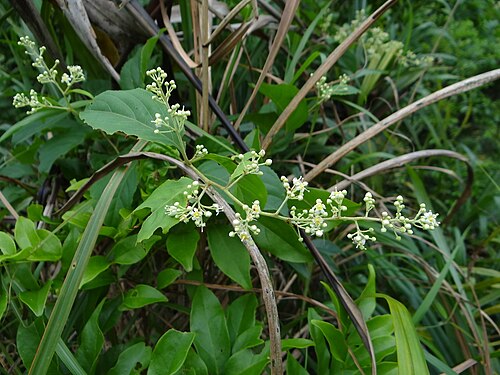
Baikal Skullcap 黄芩
One of the '50 fundamental herbs' of TCM. Contains baicalin, a potent anti-inflammatory and antioxidant. Used for respiratory infections, allergies, and liver protection.
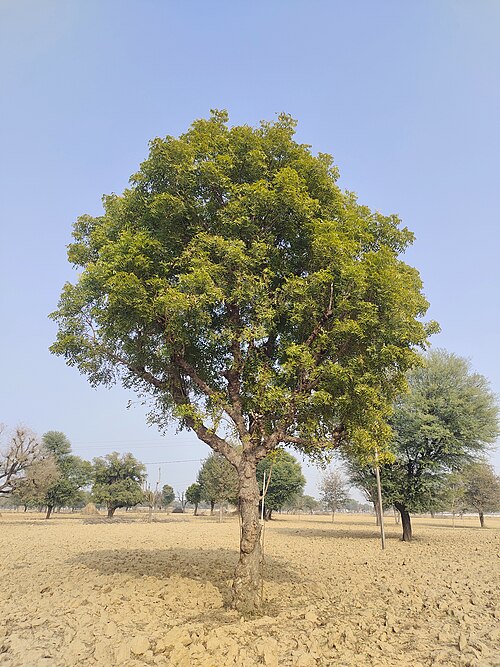
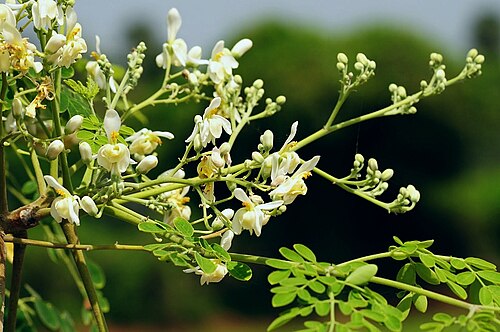
Moringa 辣木
Called the 'miracle tree' — leaves contain all essential amino acids, high vitamin content, and powerful antioxidants. Growing evidence for blood sugar and cholesterol support.
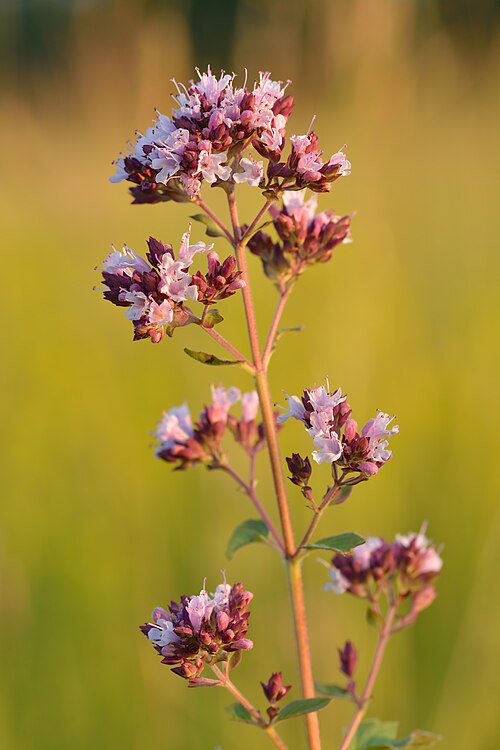
Oil of Oregano 牛至
Concentrated oil containing carvacrol and thymol — potent antimicrobial compounds. Used for respiratory infections, gut pathogens, and as a natural antibiotic alternative.
Cultivated Cordyceps (CS-4) 蛹虫草
The affordable cultivated version of wild cordyceps. Contains cordycepin and adenosine. Most clinical trials actually use CS-4, making this more evidence-backed than wild cordyceps.
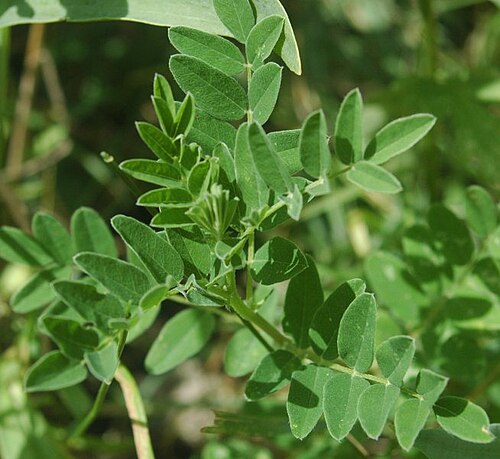
Large-Leaf Astragalus 蒙古黄芪
The Mongolian variety of astragalus, considered interchangeable with A. membranaceus in the Chinese Pharmacopoeia. Some research suggests slightly different polysaccharide profiles.
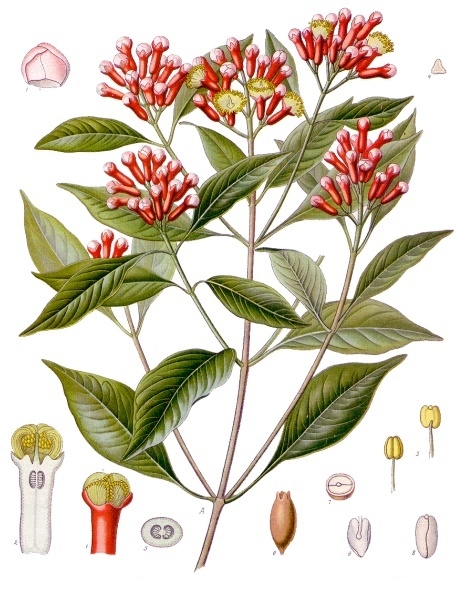
Clove 丁香
Beyond a kitchen spice — clove has the highest ORAC antioxidant value of any spice. Used in TCM for stomach cold, vomiting, and hiccups. Eugenol provides analgesic properties.