추천 허브: 스트레스 & 기분

43 개 허브를 근거 순으로 정렬 · 페이지 2 / 5

11
Rhodiola Rosea 红景天

An arctic adaptogen used in both TCM and Scandinavian tradition. Helps the body resist physical and mental stress, combat fatigue, and support mood.

7.5/10
12

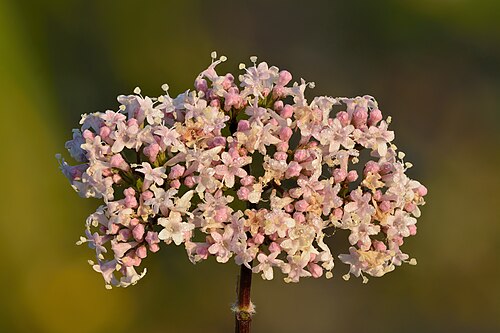
Valerian Root 缬草

A sedative herb used for centuries in Europe and TCM for insomnia and anxiety. Acts on GABA receptors to promote relaxation and sleep without morning grogginess.

7.5/10
13

Gotu Kola 积雪草

Used in both TCM and Ayurveda for cognitive enhancement, wound healing, and anxiety relief. Popular in skincare for promoting collagen synthesis.

7.5/10
14

Kava 卡瓦胡椒

A Pacific Islands ceremonial plant with strong clinical evidence for anxiety reduction. Contains kavalactones that modulate GABA receptors. Controversial due to rare liver concerns.

7.5/10
15

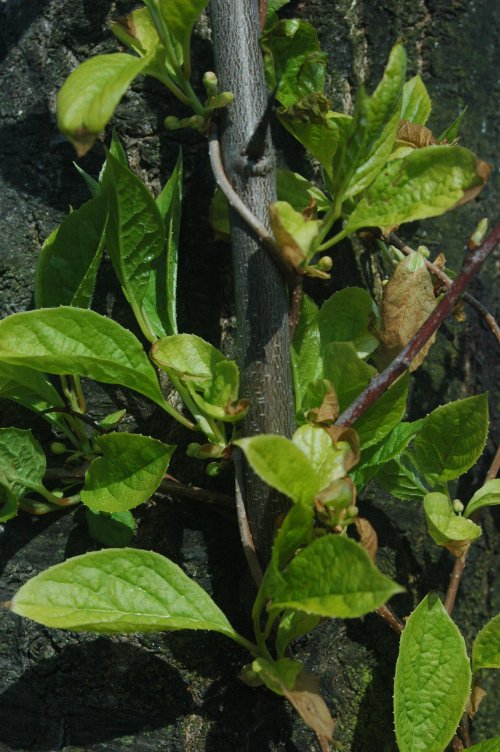
Schisandra 五味子

The 'five-flavor berry' — simultaneously sweet, sour, salty, bitter, and pungent. Used as an adaptogen for stress resilience, liver protection, and mental clarity.

7/10
16

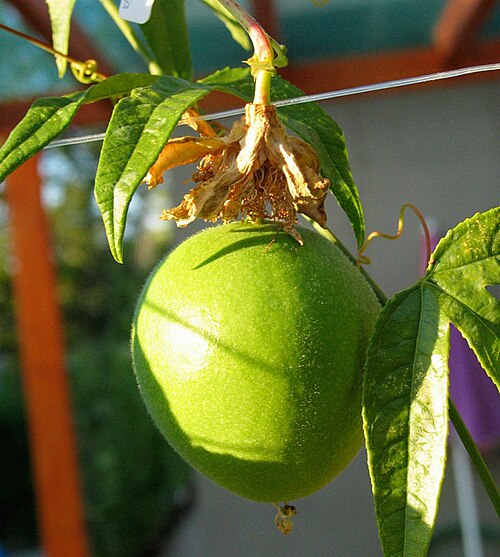
Passionflower 西番莲

A gentle nervine herb for anxiety and insomnia. Clinical trials show comparable effects to benzodiazepines for anxiety but without sedation or dependency risk.

7/10
17

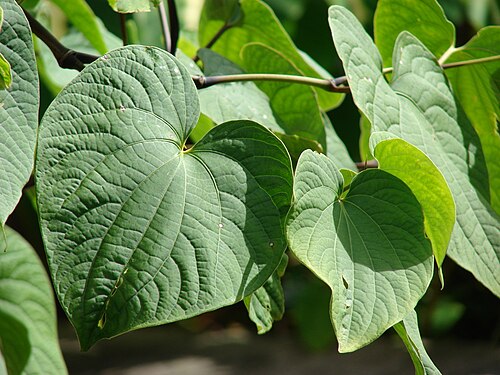
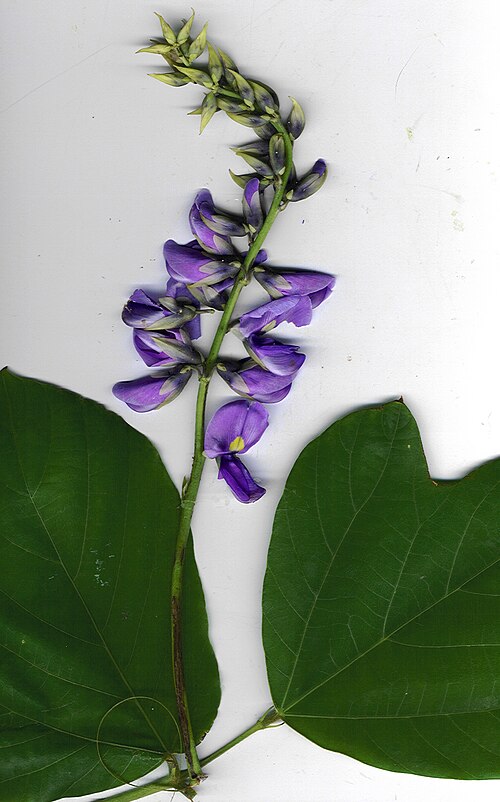
Kudzu Root 葛根

Known in the US as an invasive vine, but valued in TCM for neck stiffness, fever, and alcohol dependence. Contains puerarin with cardiovascular and neuroprotective effects.

7/10
18

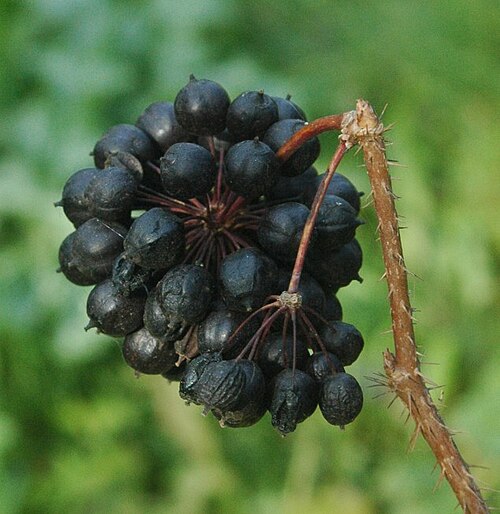
Eleuthero (Siberian Ginseng) 刺五加

Not a true ginseng but a powerful adaptogen in its own right. Used in TCM and Russian sports medicine for endurance, immune support, and stress resistance.

6.5/10
19

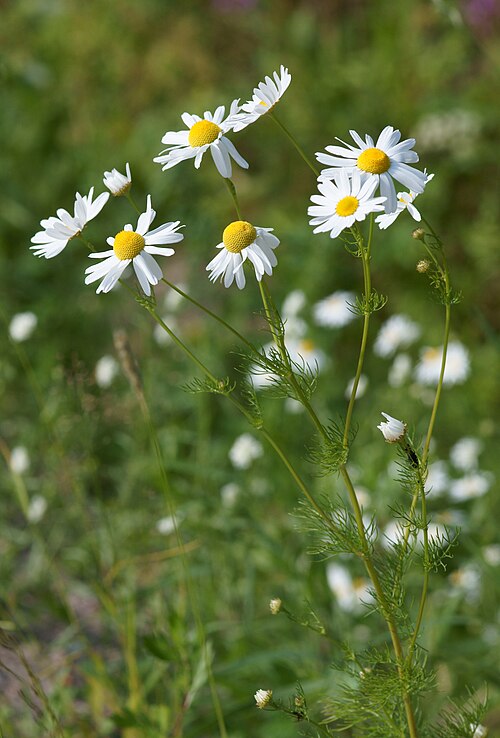
Chamomile 洋甘菊

One of the world's most consumed herbal teas. Mild sedative and anti-anxiety effects from apigenin binding to GABA receptors. Also anti-inflammatory and digestive-soothing.

6.5/10
20

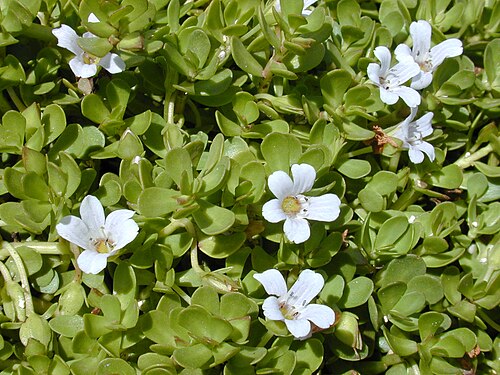
Bacopa Monnieri 假马齿苋

An Ayurvedic nootropic with solid clinical evidence for memory enhancement and learning. Works through antioxidant neuroprotection and neurotransmitter modulation.

6/10