おすすめハーブ: ストレス・気分
43 種のハーブをエビデンス順に掲載 · ページ 3 / 5
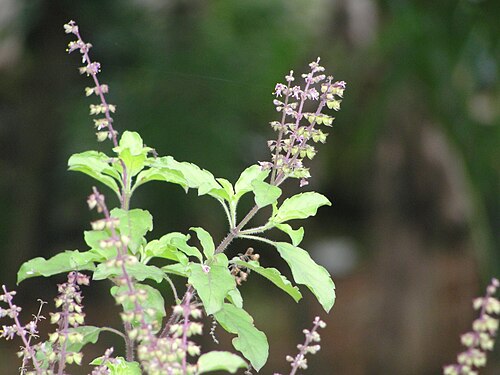
Holy Basil (Tulsi) 圣罗勒
Revered in Ayurveda as 'The Incomparable One.' An adaptogen with growing evidence for stress relief, blood sugar regulation, and anti-inflammatory effects.
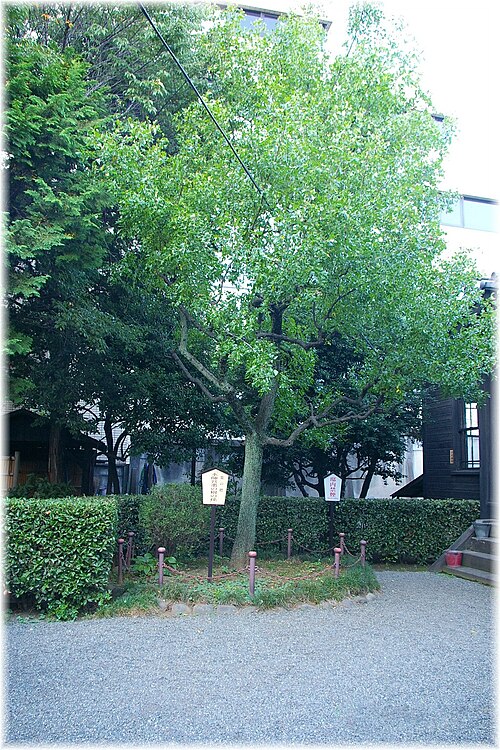
Jujube (Chinese Date) 大枣
One of the most consumed fruits in TCM. Used for calming the mind, improving sleep quality, and nourishing blood. Rich in vitamin C and antioxidants.
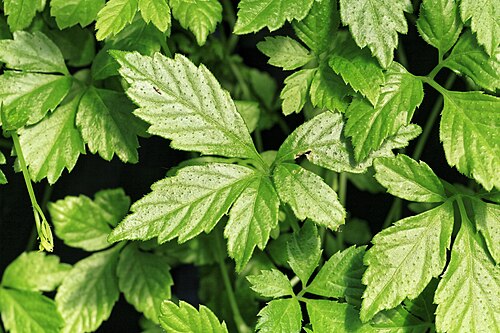
Gynostemma (Jiaogulan) 绞股蓝
Called 'the herb of immortality' in southern China. Contains gypenosides similar to ginsenosides. Used for cardiovascular health, blood sugar balance, and longevity.
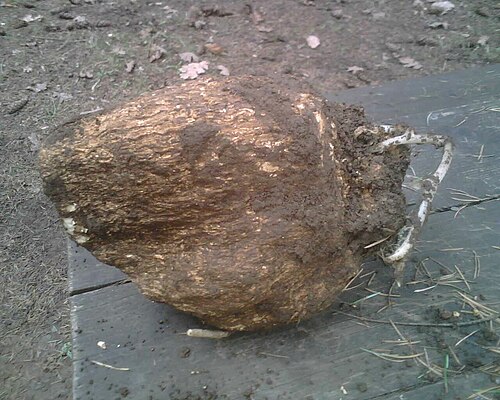
Poria (Fu Ling) 茯苓
A fungus that grows on pine tree roots, widely used in TCM for dampness, edema, insomnia, and digestive issues. One of the most prescribed herbs in classical formulas.
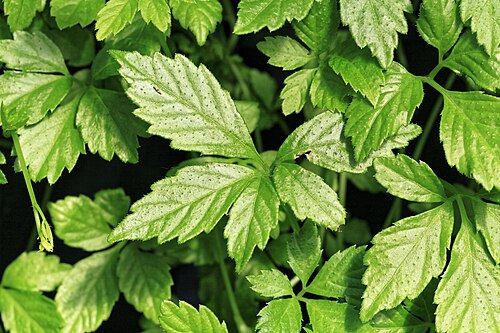
Jiaogulan Tea 七叶胆茶
Southern China's longevity tea — regions where it's consumed daily have notably high centenarian populations. Contains gypenosides structurally similar to ginsenosides.
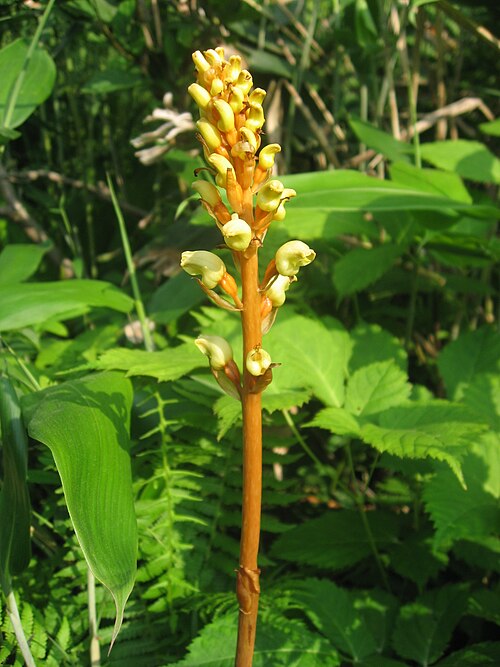
Tian Ma (Gastrodia) 天麻
A saprophytic orchid prized in TCM for headaches, dizziness, epilepsy, and hypertension. Contains gastrodin with neuroprotective effects. One of the most expensive TCM herbs.
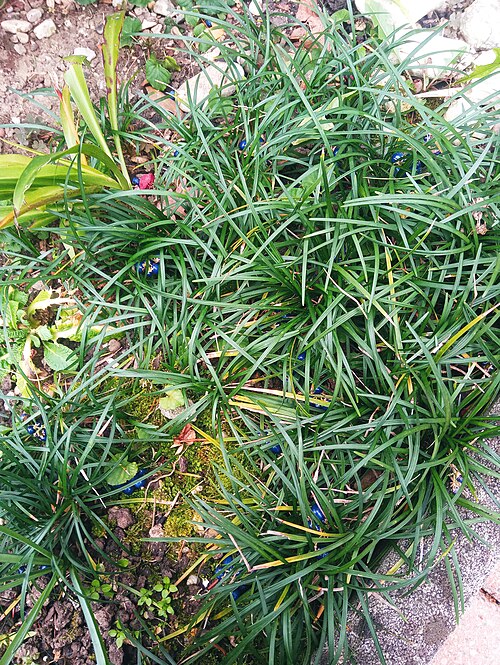
Ophiopogon (Mai Men Dong) 麦冬
A yin-nourishing herb for dry lungs, thirst, and constipation. Used in the famous Sheng Mai San formula for heart qi deficiency. Generates fluids and calms the heart.
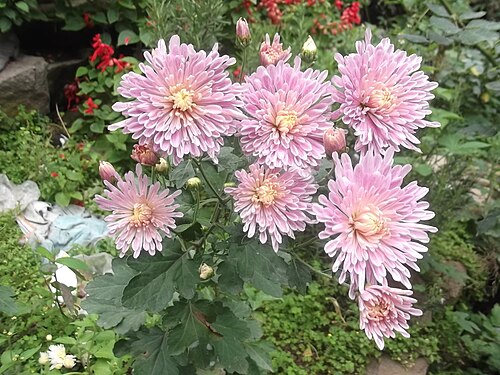
Chrysanthemum 菊花
One of the most popular herbal teas in China. Used in TCM to clear heat, soothe eyes, and calm headaches. Rich in antioxidants with anti-inflammatory properties.
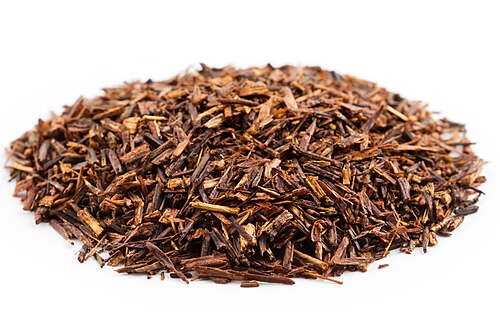
Rooibos Tea 路易波士茶
South African caffeine-free tea rich in aspalathin and nothofagin. Antioxidant, anti-allergic, and bone-protective. One of few teas safe for all ages including infants.
Polygala Root (Yuan Zhi) 远志
Name means 'strengthen the will' — used for forgetfulness, insomnia, anxiety, and mental restlessness. Expels phlegm from the heart orifice. Modern research shows neuroprotective effects.