おすすめハーブ: 関節・痛み
25 種のハーブをエビデンス順に掲載 · ページ 2 / 3
Passion Fruit Peel Extract 百香果皮
The peel (not the fruit) is rich in piceatannol and polyphenols. Research shows benefits for skin elasticity, joint health, and blood pressure. Different from passionflower herb.
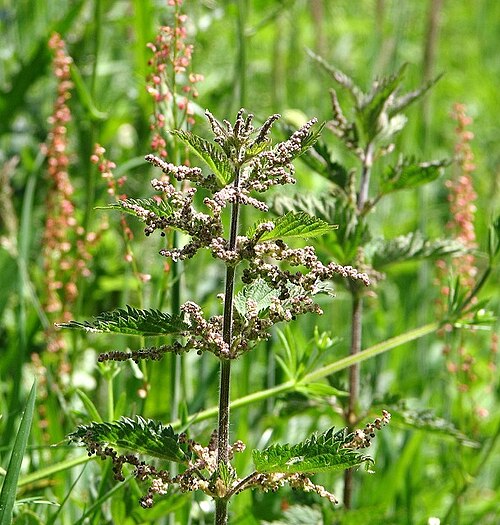
Stinging Nettle 荨麻
A common weed with broad therapeutic use — prostate health, allergies, joint pain, and as a nutritive tonic. Root and leaf have different applications.
Cang Zhu (Atractylodes Rhizome) 苍术
Different from Bai Zhu — this one dries dampness more strongly. Used for bloating, diarrhea, joint pain in damp weather, and night blindness. Key herb for dampness patterns in TCM.
White Peony Root 白芍
A key blood-nourishing herb in TCM women's health formulas. Used for menstrual cramps, hormonal balance, and liver support. Often paired with Dong Quai.
Devil's Claw 钩果草
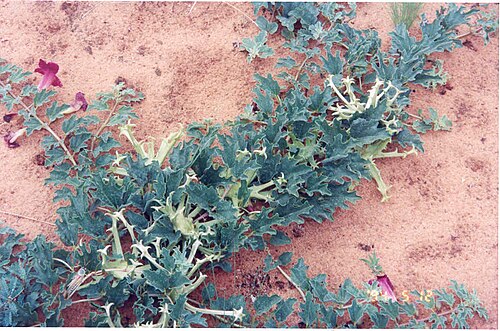
An African herb with solid clinical evidence for osteoarthritis and lower back pain. Contains harpagoside with anti-inflammatory effects comparable to some NSAIDs.
Eucommia Bark 杜仲
A primary TCM herb for lower back pain, weak knees, and bone strength. Also used for blood pressure support. The only rubber-producing tree native to China.
Cat's Claw 钩藤
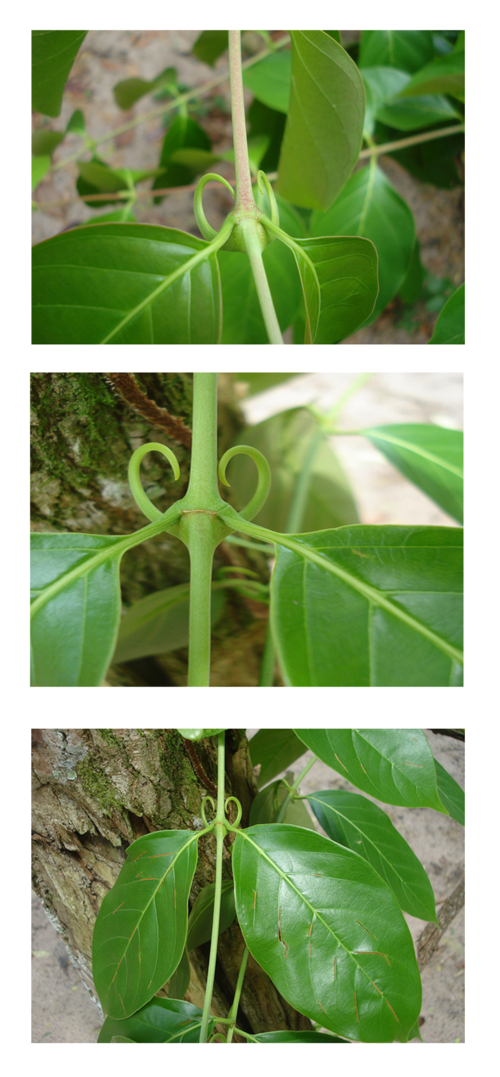
A rainforest vine used for immune modulation and inflammation. The Chinese variety (Gou Teng) is used for hypertension and headaches. Contains oxindole alkaloids.
Astaxanthin 虾青素
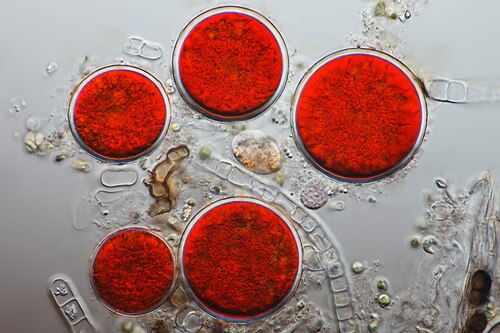
The most powerful carotenoid antioxidant — 6,000x stronger than vitamin C. Derived from microalgae. Strong evidence for eye health, skin protection, and exercise recovery.
Cat's Claw (South American) 猫爪藤
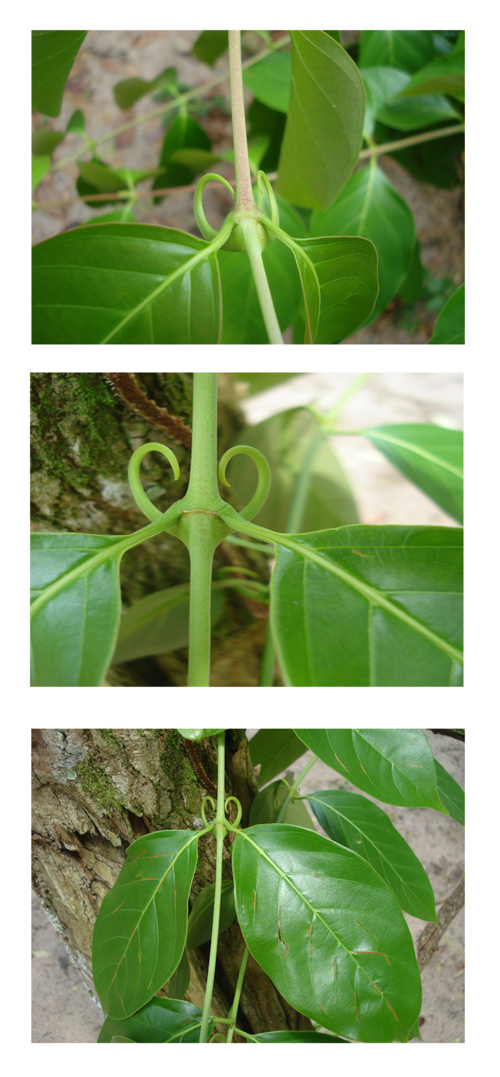
A rainforest vine from Peru used for immune support and inflammation. Contains oxindole alkaloids that stimulate immune cell activity. Different species from Chinese Gou Teng.
Bai Zhi (Dahurian Angelica) 白芷
Used in TCM for headaches, nasal congestion, and skin conditions. Contains furanocoumarins with anti-inflammatory and analgesic properties. Common in beauty formulas.