Mejores Hierbas para Digestión y Salud Intestinal
66 hierbas clasificadas por evidencia · Página 5 de 7
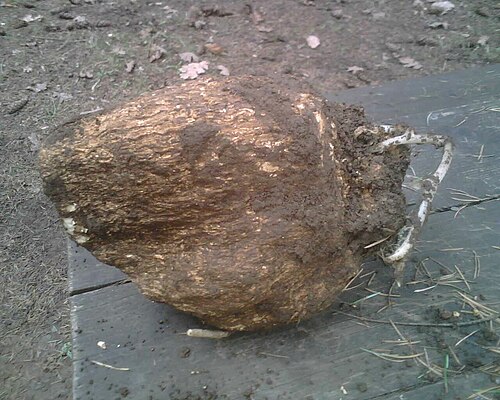
Poria (Fu Ling) 茯苓
Un valioso hongo medicinal. Principales beneficios: digestión, sueño y relajación, estrés y estado de ánimo. Puntuación de evidencia: 5.5/10.
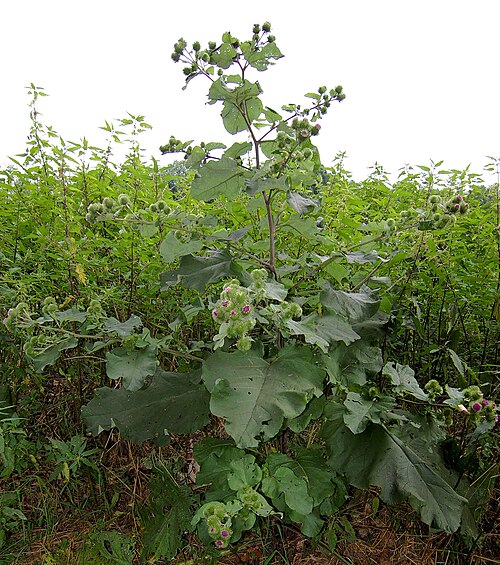
Raíz de Bardana 牛蒡
Una hierba tradicional. Principales beneficios: piel y belleza, digestión. Puntuación de evidencia: 5.5/10.

Slippery Elm 滑榆
Una hierba tradicional ampliamente reconocida. Principales beneficios: digestión. Puntuación de evidencia: 5.5/10.
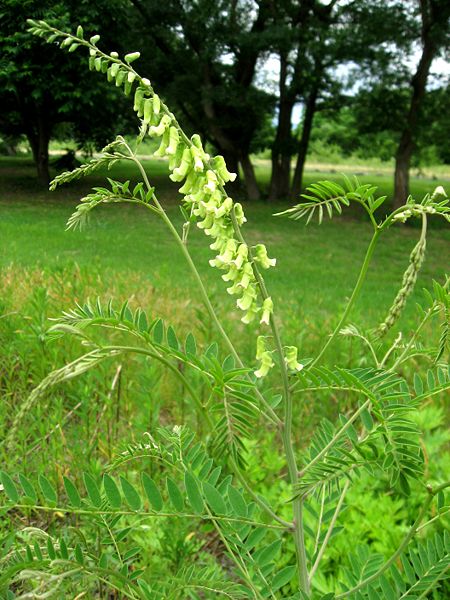
Sophora Root (Ku Shen) 苦参
Una hierba tradicional. Principales beneficios: piel y belleza, digestión. Puntuación de evidencia: 5.5/10.
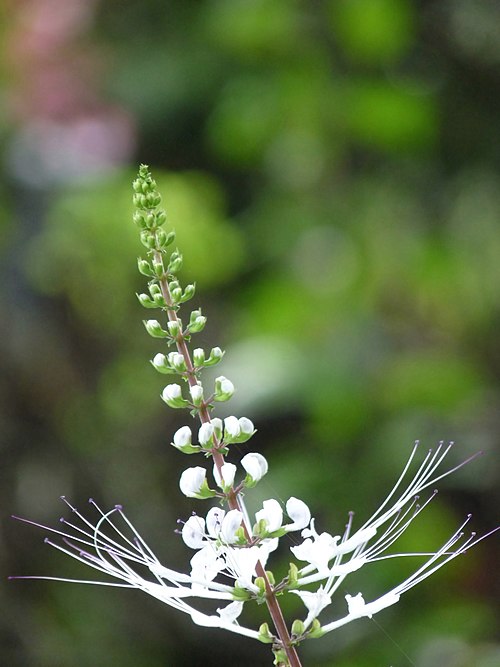
Cat Whiskers (Java Tea) 猫须草
Una hierba tradicional ampliamente reconocida. Principales beneficios: digestión. Puntuación de evidencia: 5/10.
Chinese Skullcap Root 黄芩片
Una hierba tradicional. Principales beneficios: apoyo inmunológico, digestión. Puntuación de evidencia: 5/10.
Dried Ginger (Gan Jiang) 干姜
Una hierba tradicional. Principales beneficios: digestión, energía y resistencia. Puntuación de evidencia: 5/10.
Pu-Erh Tea 普洱茶
Una hierba tradicional. Principales beneficios: digestión, longevidad y antienvejecimiento. Puntuación de evidencia: 5/10.
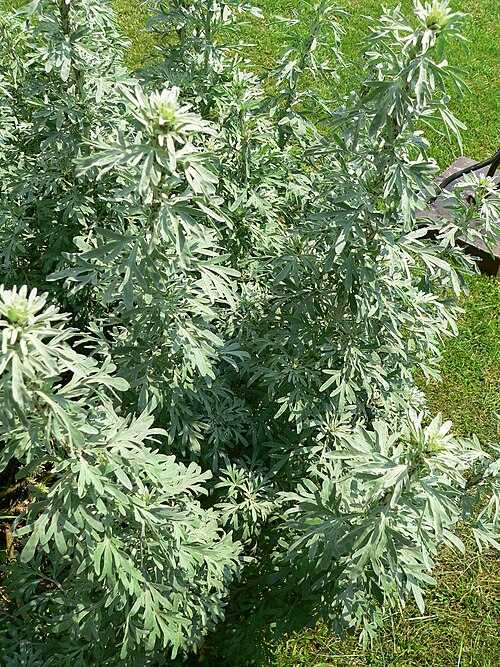
Ajenjo 苦艾
Una hierba tradicional. Principales beneficios: digestión, apoyo inmunológico. Puntuación de evidencia: 4.5/10.
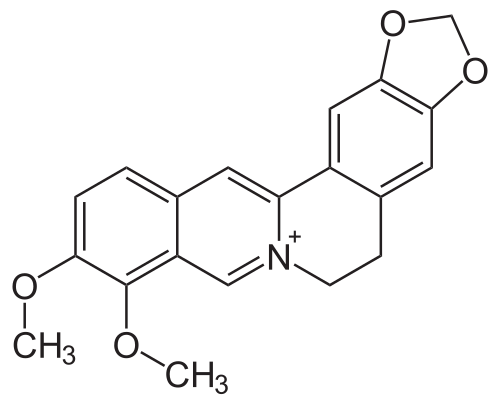
Berberine 黄连素
Una hierba tradicional. Principales beneficios: digestión, longevidad y antienvejecimiento. Puntuación de evidencia: 4.5/10.