Mejores Hierbas para Digestión y Salud Intestinal
66 hierbas clasificadas por evidencia · Página 4 de 7
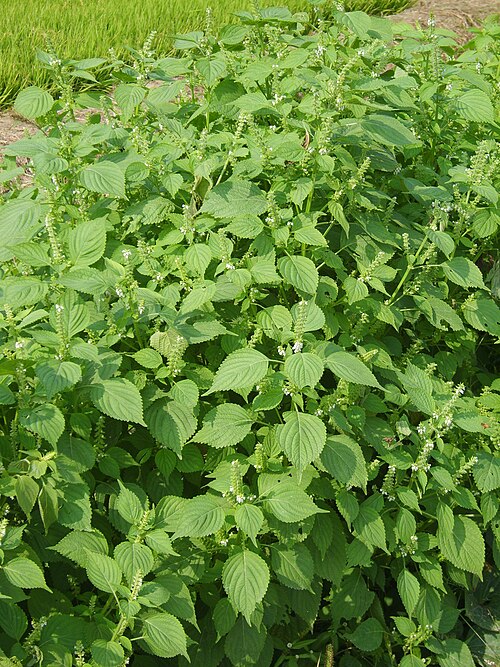
Perilla Leaf (Zi Su Ye) 紫苏叶
Una hierba tradicional. Principales beneficios: apoyo inmunológico, digestión. Puntuación de evidencia: 6/10.
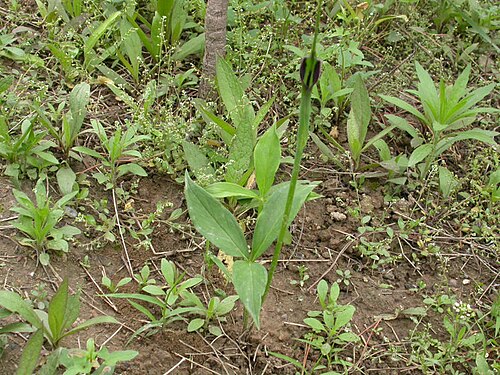
Pinellia (Ban Xia) 半夏
Una hierba tradicional. Principales beneficios: digestión, sueño y relajación. Puntuación de evidencia: 6/10.
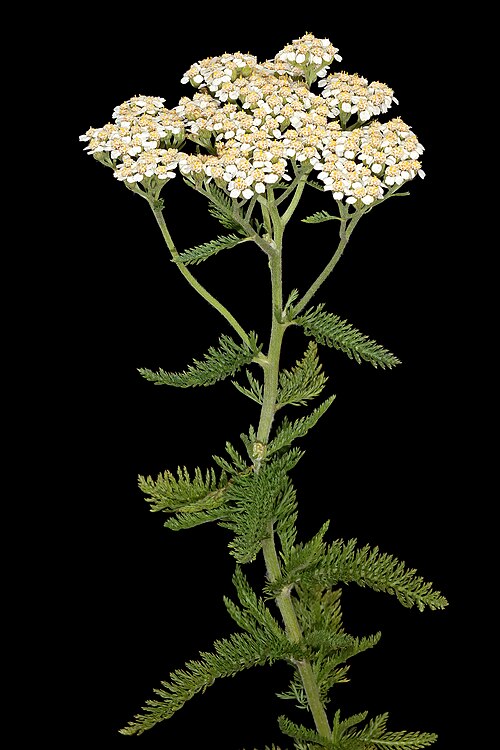
Yarrow 蓍草
Una hierba tradicional. Principales beneficios: salud femenina, digestión. Puntuación de evidencia: 6/10.
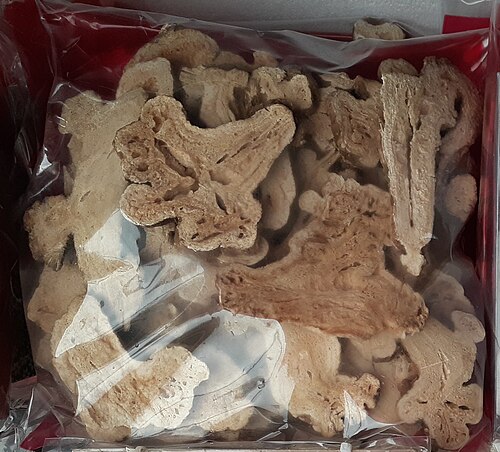
Atractylodes (Bai Zhu) 白术
Una hierba tradicional. Principales beneficios: digestión, energía y resistencia. Puntuación de evidencia: 5.5/10.
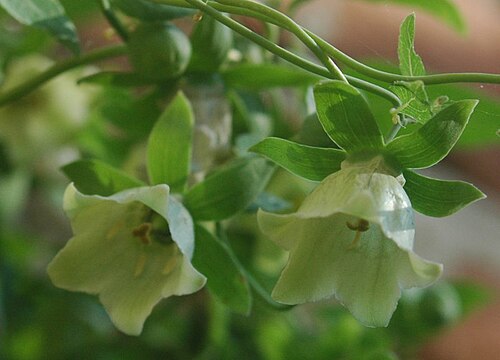
Codonopsis (Dang Shen) 党参
Una hierba tradicional. Principales beneficios: energía y resistencia, digestión, apoyo inmunológico. Puntuación de evidencia: 5.5/10.
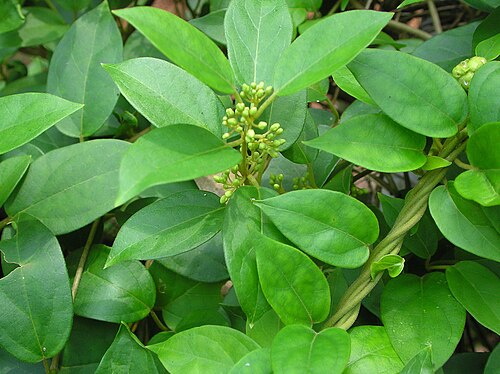
Gymnema Sylvestre 匙羹藤
Una hierba tradicional. Principales beneficios: digestión. Puntuación de evidencia: 5.5/10.

Jujube (Chinese Date) 大枣
Una hierba tradicional. Principales beneficios: sueño y relajación, estrés y estado de ánimo, digestión. Puntuación de evidencia: 5.5/10.
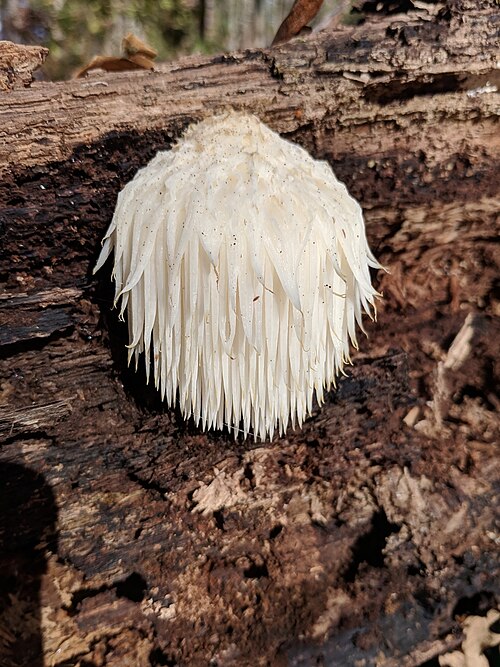
Lion's Mane Mushroom 猴头菇
Una hierba tradicional ampliamente reconocida. Principales beneficios: cerebro y enfoque, digestión, apoyo inmunológico. Puntuación de evidencia: 5.5/10.

Lotus Seed 莲子
Una hierba tradicional ampliamente reconocida. Principales beneficios: sueño y relajación, digestión. Puntuación de evidencia: 5.5/10.
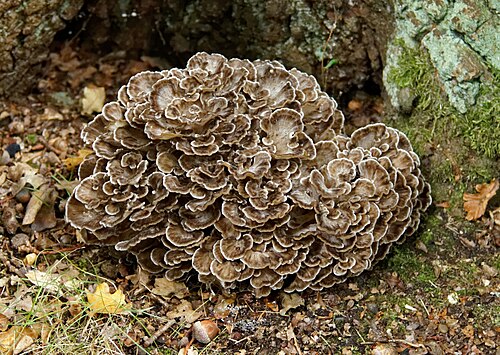
Maitake Mushroom 灰树花
Una hierba tradicional. Principales beneficios: apoyo inmunológico, digestión. Puntuación de evidencia: 5.5/10.