추천 허브: 여성 건강
23 개 허브를 근거 순으로 정렬 · 페이지 2 / 3
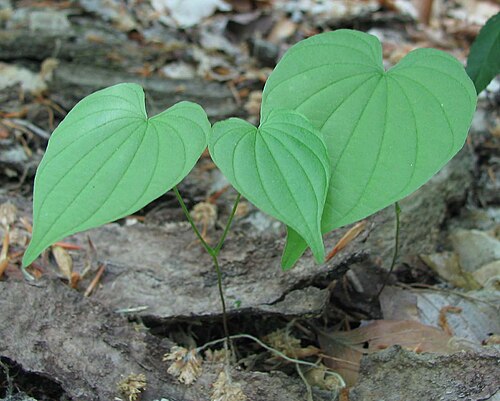
Wild Yam 薯蓣
Contains diosgenin — historically the starting material for synthetic progesterone and cortisone. Used for menstrual cramps and menopausal symptoms, though bioconversion in humans is debated.
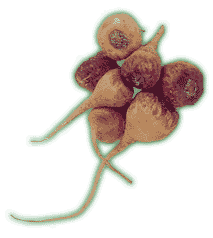
Maca Root 玛卡
A Peruvian adaptogen gaining huge popularity for energy, libido enhancement, and hormonal balance. Used by athletes and those seeking natural vitality support.
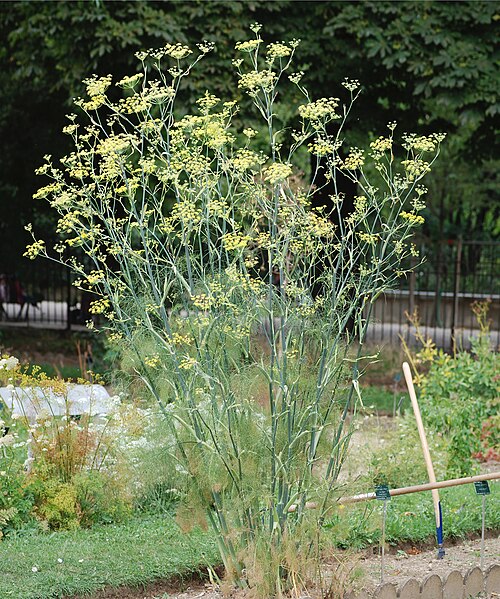
Fennel Seed 小茴香
Used worldwide for digestive complaints — colic in infants, bloating, and IBS. In TCM warms the kidneys and disperses cold. Contains anethole with estrogenic and anti-spasmodic properties.
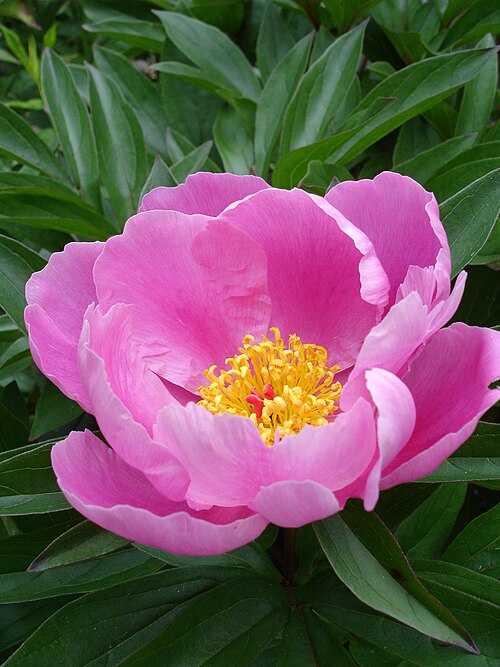
White Peony Root 白芍
A key blood-nourishing herb in TCM women's health formulas. Used for menstrual cramps, hormonal balance, and liver support. Often paired with Dong Quai.
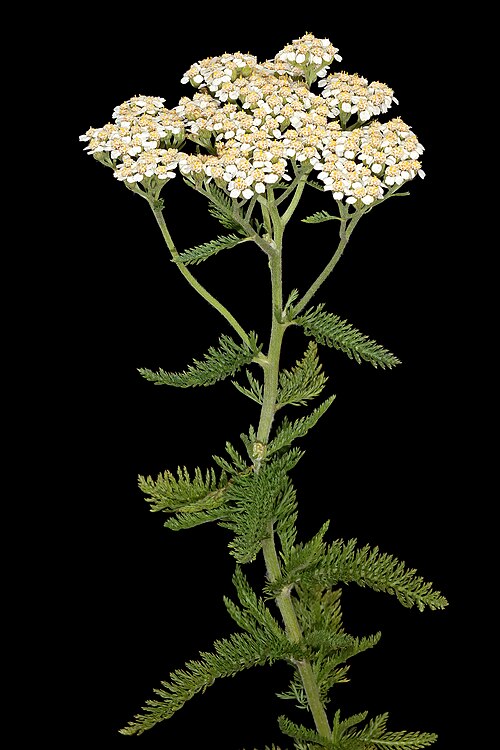
Yarrow 蓍草
Named after Achilles who used it to treat wounds. A versatile herb for wound healing, fever, digestive cramps, and heavy menstrual bleeding. Bitter tonic and circulatory stimulant.
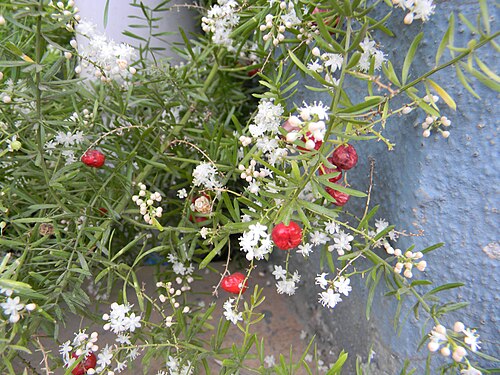
Shatavari 天门冬
The primary female reproductive tonic in Ayurveda. Used for fertility, lactation, and menopausal support. The Chinese variety (Tian Men Dong) is used for lung and kidney yin.
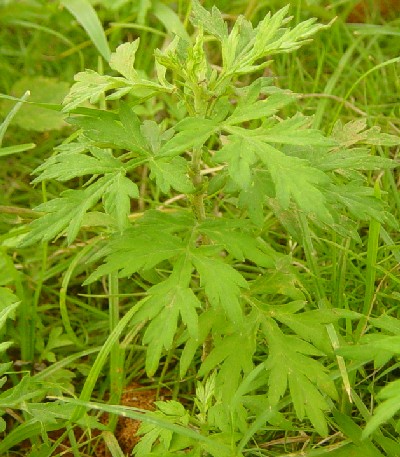
Mugwort 艾叶
Essential in TCM moxibustion therapy (burned near acupuncture points). Also taken internally for menstrual pain, cold uterus, and to stop bleeding. Rich in essential oils.
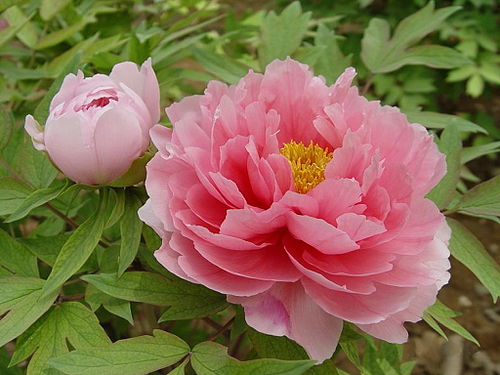
Moutan Bark (Mu Dan Pi) 牡丹皮
Tree peony root bark — cools blood, clears deficiency fire, and moves blood stasis. Used for hot flashes, menstrual disorders, and inflammatory skin conditions in TCM.
Javanese Turmeric 莪术
Distinct from common turmeric. Used in TCM for blood stasis, abdominal masses, and menstrual pain. Contains xanthorrhizol with antimicrobial and hepatoprotective properties.
Angelica Essential Oil 当归油
The essential oil form of Dong Quai used topically and in aromatherapy. Contains ligustilide and butylidenephthalide. Used for menstrual pain, circulation, and relaxation.