μΆμ² νλΈ: λ©΄μ μ§μ
59 κ° νλΈλ₯Ό κ·Όκ±° μμΌλ‘ μ λ ¬ Β· νμ΄μ§ 2 / 6
Cranberry θθΆθ
Strong evidence for preventing urinary tract infections through anti-adhesion mechanisms. Proanthocyanidins prevent E. coli from attaching to bladder walls. Also supports gut health.
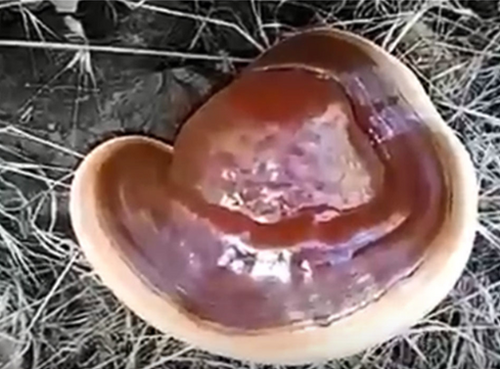
Reishi Mushroom η΅θ
Known as the 'mushroom of immortality' in Chinese medicine. Extensively studied for immune modulation, stress relief, and sleep support.
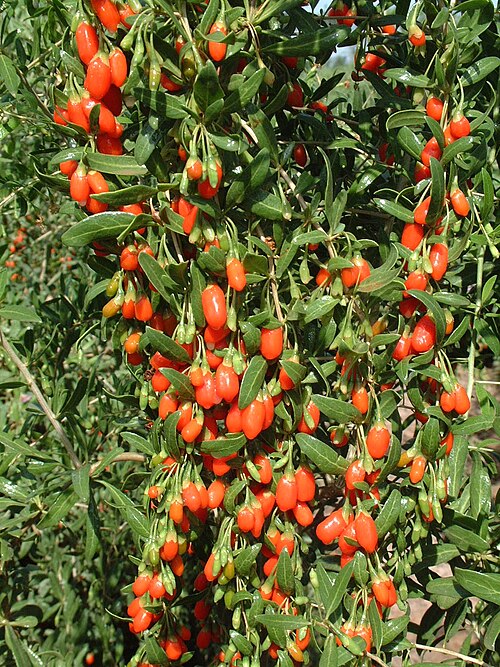
Goji Berry ζΈζ
A nutrient-dense berry used in TCM for eye health, liver support, and vitality. Rich in antioxidants, vitamins, and unique polysaccharides.
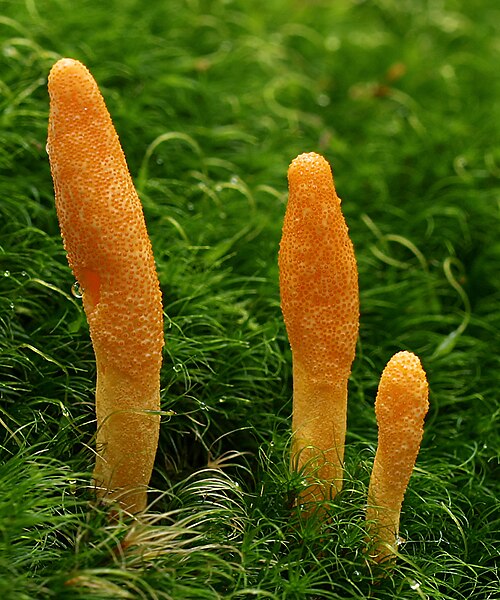
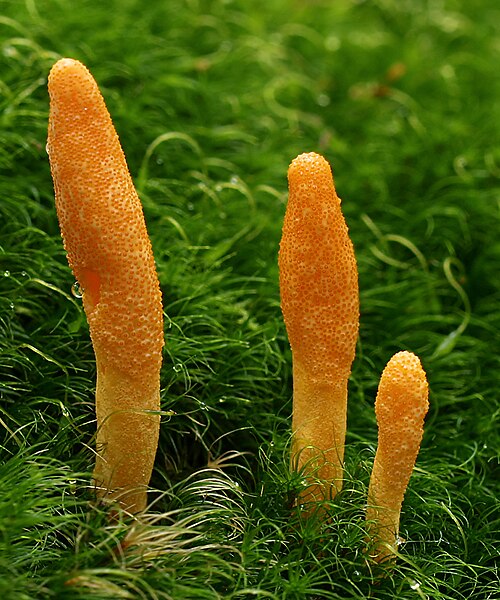
Cordyceps ε¬θ«ε€θ
A parasitic fungus prized in TCM for boosting athletic performance, respiratory health, and kidney function. Modern studies focus on its energy-enhancing properties.
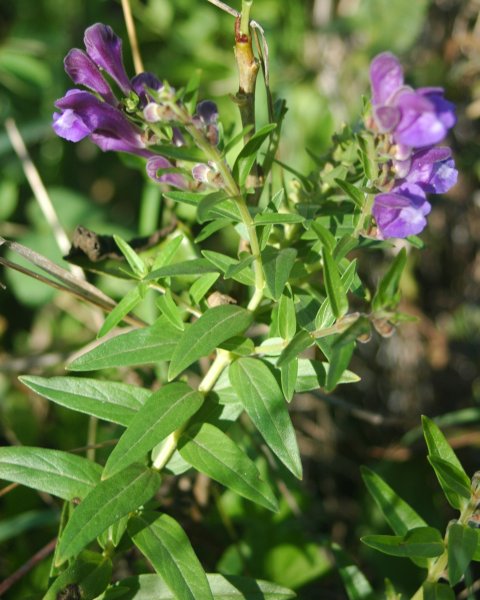
Baikal Skullcap ι»θ©
One of the '50 fundamental herbs' of TCM. Contains baicalin, a potent anti-inflammatory and antioxidant. Used for respiratory infections, allergies, and liver protection.
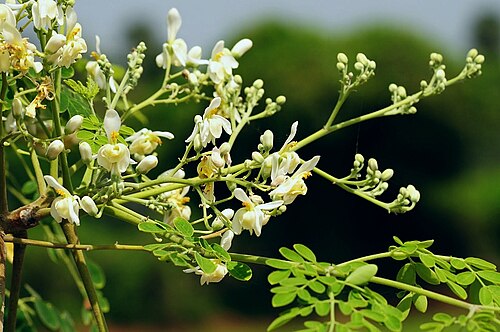
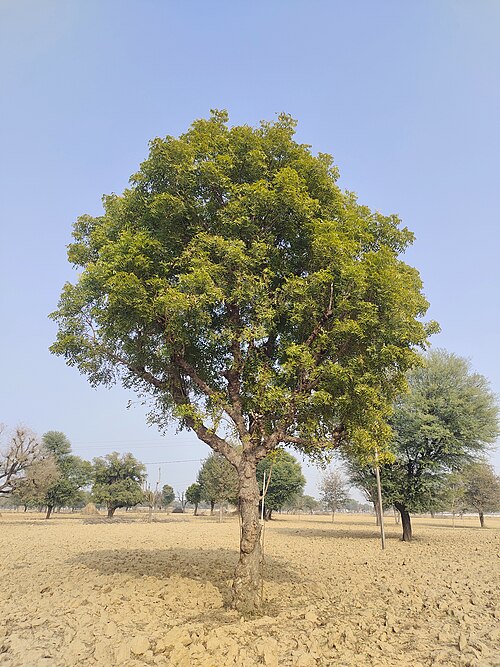
Moringa θΎ£ζ¨
Called the 'miracle tree' β leaves contain all essential amino acids, high vitamin content, and powerful antioxidants. Growing evidence for blood sugar and cholesterol support.
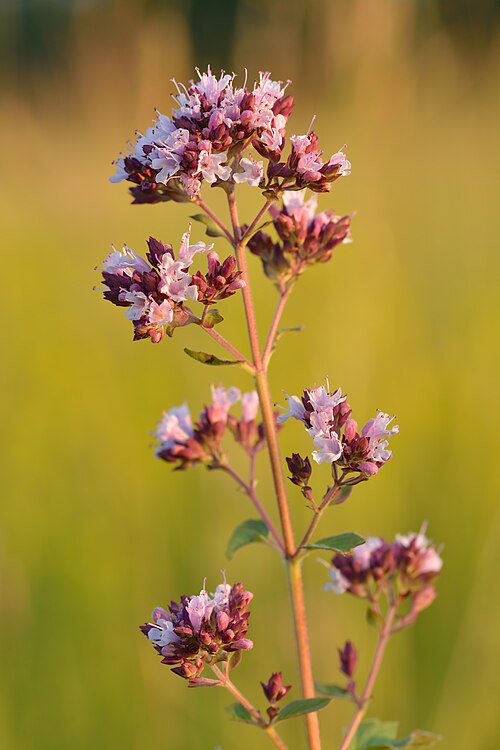
Oil of Oregano ηθ³
Concentrated oil containing carvacrol and thymol β potent antimicrobial compounds. Used for respiratory infections, gut pathogens, and as a natural antibiotic alternative.
Cultivated Cordyceps (CS-4) θΉθ«θ
The affordable cultivated version of wild cordyceps. Contains cordycepin and adenosine. Most clinical trials actually use CS-4, making this more evidence-backed than wild cordyceps.
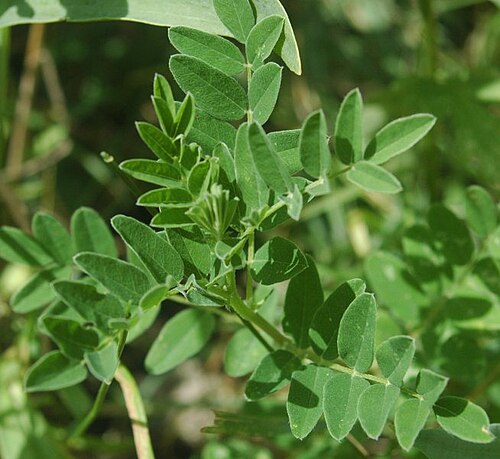
Large-Leaf Astragalus θε€ι»θͺ
The Mongolian variety of astragalus, considered interchangeable with A. membranaceus in the Chinese Pharmacopoeia. Some research suggests slightly different polysaccharide profiles.
Clove δΈι¦
Beyond a kitchen spice β clove has the highest ORAC antioxidant value of any spice. Used in TCM for stomach cold, vomiting, and hiccups. Eugenol provides analgesic properties.