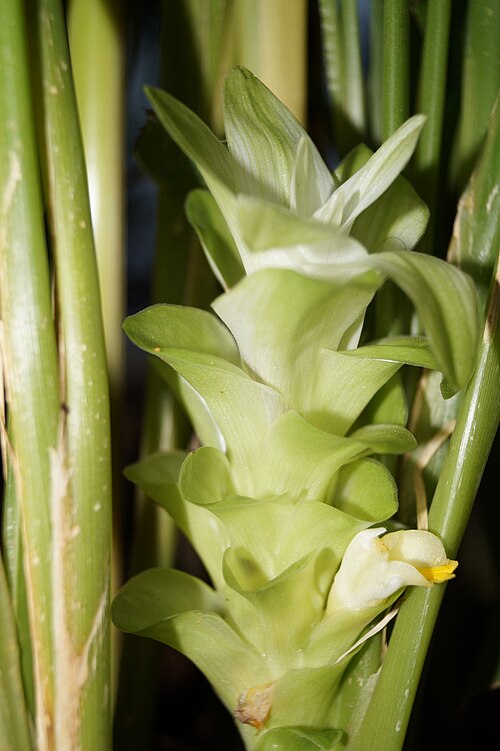
Image: Wikimedia Commons, CC BY-SA
Turmeric
姜黄 (Jiāng Huáng) · Curcuma longa
One of the most researched herbs globally. Contains curcumin, a powerful anti-inflammatory compound studied for joint health, brain function, and disease prevention.
Quick Summary
- Scientific Name
- Curcuma longa
- Chinese Name
- 姜黄 (Jiāng Huáng)
- Evidence Score
- 10/10
- Safety
- safe
Recommended dose: 500-2000mg curcumin extract daily (standardized to 95% curcuminoids)
Good For
Key Benefits
Reduces joint pain and stiffness
Multiple meta-analyses show curcumin reduces arthritis symptoms comparably to NSAIDs
Powerful anti-inflammatory
Inhibits NF-kB, COX-2, and inflammatory cytokines in over 100 clinical trials
Supports brain health
Crosses blood-brain barrier; trials show improved memory and reduced depression symptoms
Aids digestion
Stimulates bile production; clinical trials show benefit for IBS and ulcerative colitis
How to Take
Safety & Interactions
Possible Side Effects
- Mild digestive upset at high doses
- May thin blood slightly
- Yellow staining of teeth with powder form
Do Not Use If
- Gallbladder obstruction
- Scheduled surgery (stop 2 weeks before)
- Iron deficiency (may reduce absorption)
Drug Interactions
- Blood thinners (warfarin, aspirin) — additive effect
- Diabetes medications — may lower blood sugar further
- Stomach acid reducers — curcumin may increase acid
Traditional Use
In TCM, turmeric (Jiang Huang) moves blood, unblocks menstruation, and relieves pain. Classified as warm, acrid, and bitter. Enters the liver and spleen channels. Used for chest and abdominal pain, amenorrhea, and traumatic injuries.
Modern Research
Over 12,000 peer-reviewed publications. Key findings: curcumin modulates over 100 molecular targets including transcription factors, enzymes, and cell surface receptors. Bioavailability is the main challenge — addressed by piperine, liposomes, or nanoparticle formulations.
View all studies on PubMed for Curcuma longa →Where to Buy
Affiliate links — purchases support this free resource.