Mejores Hierbas para Sueño y Relajación
18 hierbas clasificadas por evidencia · Página 2 de 2
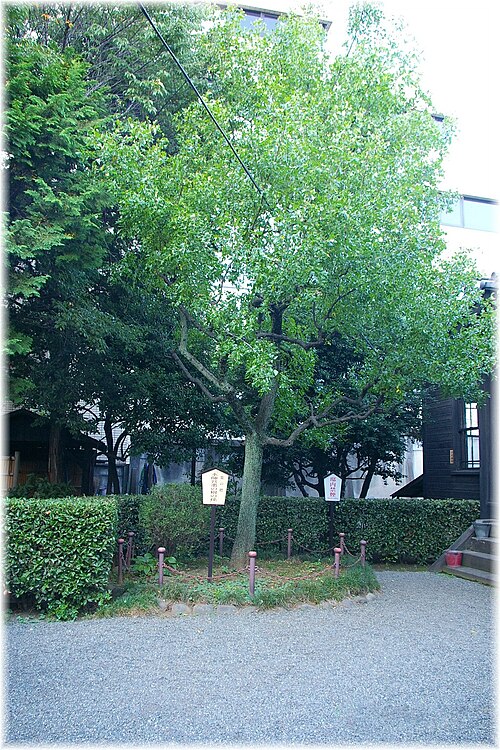
Jujube (Chinese Date) 大枣
Una hierba tradicional. Principales beneficios: sueño y relajación, estrés y estado de ánimo, digestión. Puntuación de evidencia: 5.5/10.
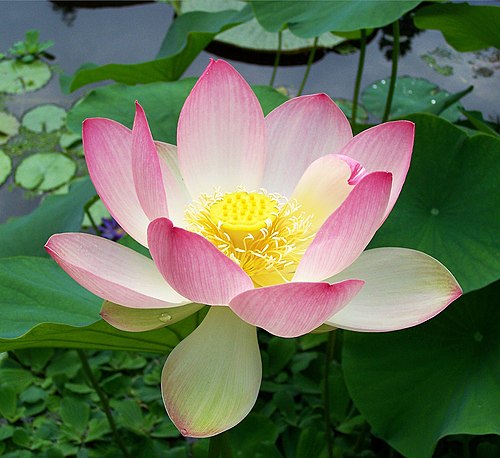
Lotus Seed 莲子
Una hierba tradicional ampliamente reconocida. Principales beneficios: sueño y relajación, digestión. Puntuación de evidencia: 5.5/10.
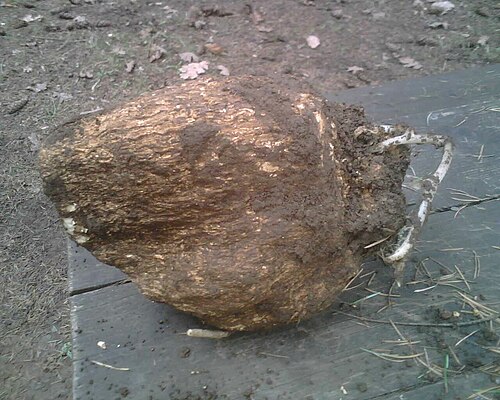
Poria (Fu Ling) 茯苓
Un valioso hongo medicinal. Principales beneficios: digestión, sueño y relajación, estrés y estado de ánimo. Puntuación de evidencia: 5.5/10.
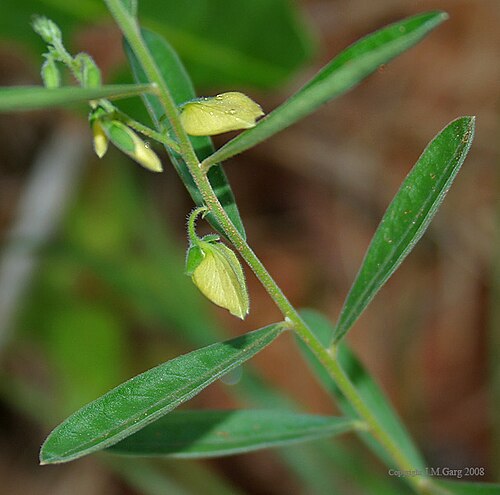
Polygala Root (Yuan Zhi) 远志
Una hierba tradicional. Principales beneficios: cerebro y enfoque, sueño y relajación, estrés y estado de ánimo. Puntuación de evidencia: 5/10.
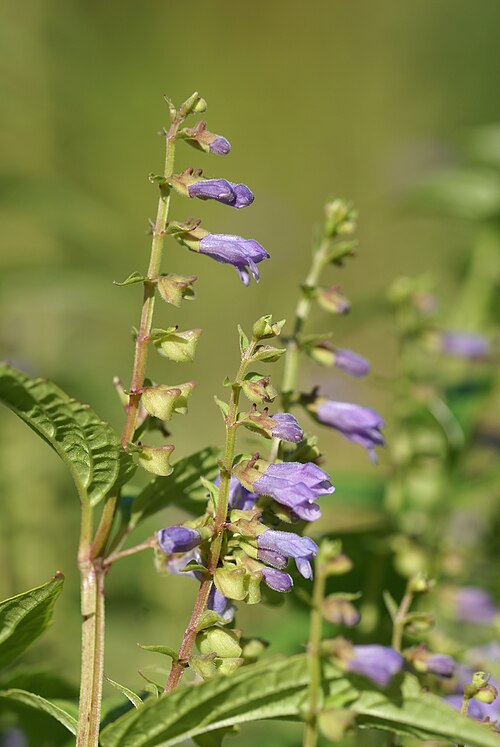
American Skullcap 美黄芩
Una hierba tradicional. Principales beneficios: estrés y estado de ánimo, sueño y relajación. Puntuación de evidencia: 4/10.
Ziziphus Seed (Suan Zao Ren) 酸枣仁
Una hierba tradicional. Principales beneficios: sueño y relajación, estrés y estado de ánimo. Puntuación de evidencia: 4/10.
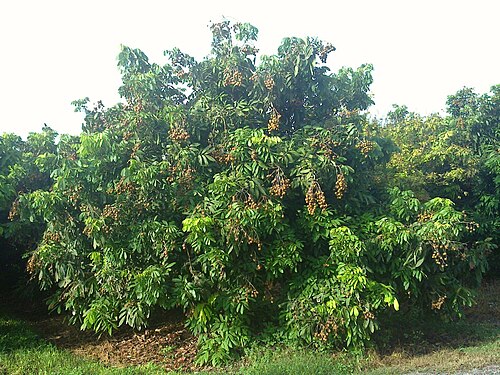
Longan Fruit 龙眼肉
Una hierba tradicional ampliamente reconocida. Principales beneficios: sueño y relajación, estrés y estado de ánimo, cerebro y enfoque. Puntuación de evidencia: 3.5/10.
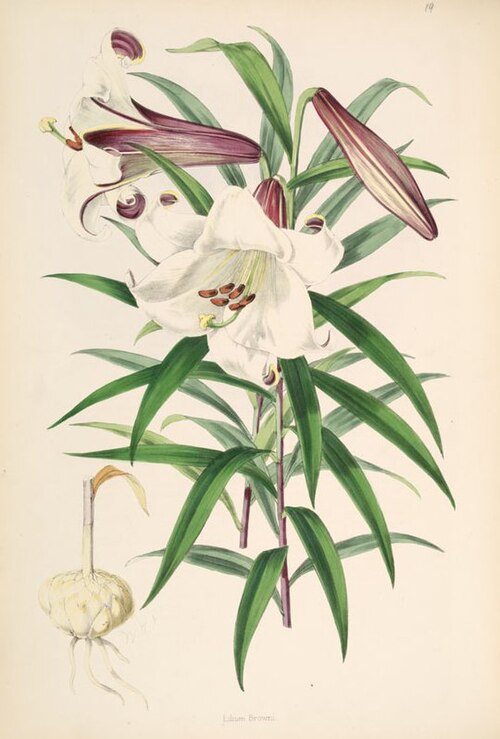
Lily Bulb (Bai He) 百合
Una hierba tradicional. Principales beneficios: sueño y relajación, estrés y estado de ánimo. Puntuación de evidencia: 3/10.