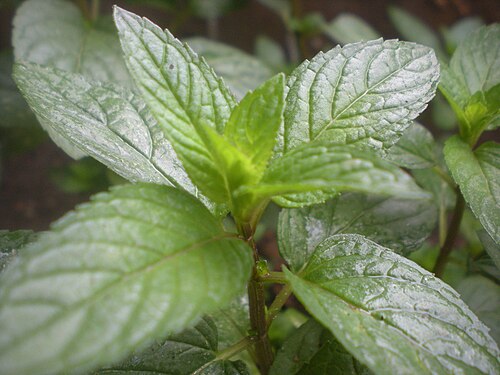
Image: Wikimedia Commons, CC BY-SA
Peppermint
薄荷 (Bò Hé) · Mentha piperita
Strong evidence for IBS symptom relief (enteric-coated peppermint oil). Also used for headaches, nasal congestion, and nausea. In TCM disperses wind-heat and soothes the liver.
Quick Summary
- Scientific Name
- Mentha piperita
- Chinese Name
- 薄荷 (Bò Hé)
- Evidence Score
- 8/10
- Safety
- safe
Recommended dose: Follow product label. Often taken as tea (3-5g dried herb steeped 10 min) or 500-1000mg extract with meals
Good For
Key Benefits
May support healthy digestive function
Traditionally used to harmonize the stomach and intestines
May help the body adapt to stress
Traditionally used to calm the spirit and ease tension
How to Take
Safety & Interactions
Possible Side Effects
- Generally well tolerated at recommended doses
- Mild digestive upset possible in sensitive individuals
Do Not Use If
- Known allergy to this plant or related species
- Consult healthcare provider if pregnant or nursing
Drug Interactions
- No major drug interactions documented at standard doses
- Inform your doctor of all supplements you take
Traditional Use
In Traditional Chinese Medicine, 薄荷 (Bò Hé) has been used for centuries. It is traditionally used to calm the spirit (shen) and settle the heart-mind. It supports the spleen and stomach — the foundation of post-natal qi production in TCM theory.
Modern Research
This herb has extensive scientific backing with hundreds of published studies. Multiple clinical trials support its traditional uses, and active compounds have been well-characterized. It represents one of the more evidence-based options in the herbal pharmacopoeia.
View all studies on PubMed for Mentha piperita →Where to Buy
Affiliate links — purchases support this free resource.