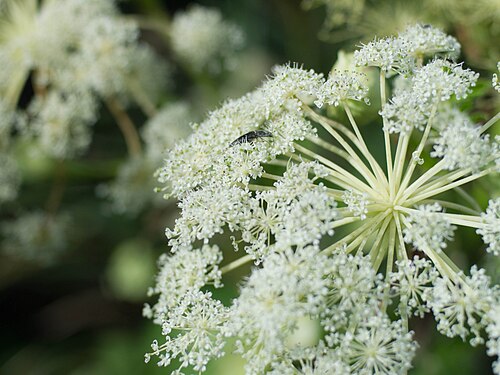
Image: Wikimedia Commons, CC BY-SA
Bai Zhi (Dahurian Angelica)
白芷 (Bái Zhǐ) · Angelica dahurica
Used in TCM for headaches, nasal congestion, and skin conditions. Contains furanocoumarins with anti-inflammatory and analgesic properties. Common in beauty formulas.
Quick Summary
- Scientific Name
- Angelica dahurica
- Chinese Name
- 白芷 (Bái Zhǐ)
- Evidence Score
- 4.5/10
- Safety
- caution
Recommended dose: Follow product label directions. Typical range: 500-1500mg daily as standardized extract
Good For
Key Benefits
May help reduce inflammation and joint discomfort
Traditionally used to support mobility and ease pain
May support skin health and appearance
Traditionally used to nourish the complexion and promote radiance
How to Take
Safety & Interactions
Possible Side Effects
- Digestive discomfort at higher doses
- May cause drowsiness or stimulation depending on the herb
- Allergic reactions possible in sensitive individuals
Do Not Use If
- Pregnancy and breastfeeding (insufficient safety data)
- Children under 12 without professional guidance
- Scheduled surgery (stop 2 weeks before)
Drug Interactions
- May interact with prescription medications
- May affect blood sugar or blood pressure medications
- Consult pharmacist before combining with other supplements
Traditional Use
In Traditional Chinese Medicine, 白芷 (Bái Zhǐ) has been used for centuries. TCM practitioners use it to expel wind-dampness and strengthen the sinews and bones. It nourishes yin and blood to promote a healthy, radiant complexion in TCM beauty formulations.
Modern Research
Research is still emerging for this herb. Most evidence comes from animal studies, in-vitro experiments, and traditional use records. Limited clinical trial data is available. The herb shows promise but requires more rigorous human studies to confirm efficacy.
View all studies on PubMed for Angelica dahurica →Where to Buy
Affiliate links — purchases support this free resource.