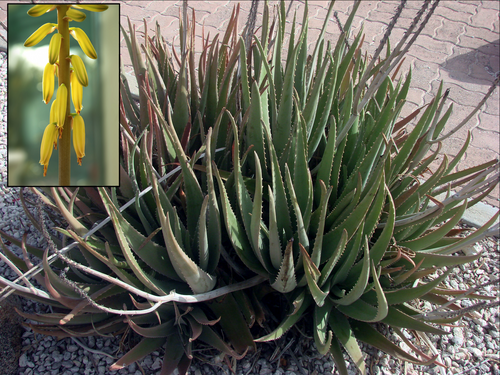
Image: Wikimedia Commons, CC BY-SA
Aloe Vera
芦荟 (Lú Huì) · Aloe barbadensis
Gel for burns and skin, latex as a laxative. In TCM the dried concentrate (Lu Hui) purges heat and kills parasites. One of the most commercially successful medicinal plants globally.
Quick Summary
- Scientific Name
- Aloe barbadensis
- Chinese Name
- 芦荟 (Lú Huì)
- Evidence Score
- 10/10
- Safety
- caution
Recommended dose: Gel (topical): apply freely. Oral: 50-200mg aloe latex OR 100-300ml aloe juice daily
Good For
Key Benefits
Accelerates wound and burn healing
Systematic review confirms faster healing for first and second degree burns
Reduces dental plaque and gingivitis
Clinical trials show aloe mouthwash comparably effective to chlorhexidine
May lower blood sugar
Meta-analysis of 8 trials shows significant fasting glucose reduction in type 2 diabetes
Soothes skin conditions
Trials support use for psoriasis, eczema, and radiation-induced skin damage
How to Take
Safety & Interactions
Possible Side Effects
- Oral latex: cramping, diarrhea, electrolyte imbalance
- Gel topical: rare allergic dermatitis
- Long-term oral latex: potassium depletion, kidney damage
Do Not Use If
- Oral latex in pregnancy (uterine contractions)
- Intestinal obstruction
- Children under 12 (oral latex)
- Kidney disease
Drug Interactions
- Diuretics — additive potassium loss
- Diabetes medications — additive blood sugar lowering
- Digoxin — increased toxicity risk from potassium depletion
- Stimulant laxatives — additive effect
Traditional Use
In TCM, Lu Hui (芦荟) is classified as bitter and cold. Enters the liver, stomach, and large intestine channels. Used to drain fire, clear heat, and kill parasites. Primarily used as a purgative for constipation with heat signs and for childhood nutritional accumulation.
Modern Research
Over 3,500 studies. Contains 75+ active compounds including acemannan (immune-stimulating polysaccharide), anthraquinones (laxative), salicylic acid (anti-inflammatory), and multiple vitamins and minerals. The inner gel and outer latex have completely different pharmacological profiles.
View all studies on PubMed for Aloe barbadensis →Where to Buy
Affiliate links — purchases support this free resource.