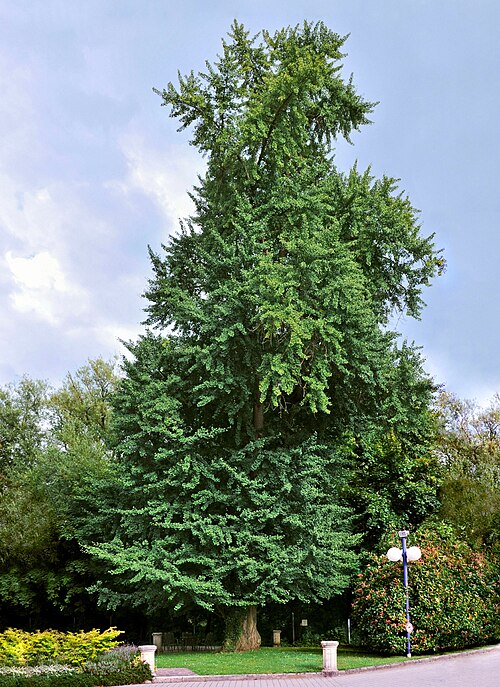
Image: Wikimedia Commons, CC BY-SA
Ginkgo Biloba
银杏 (Yín Xìng) · Ginkgo biloba
One of the oldest living tree species. Widely studied for improving blood circulation to the brain, supporting memory, and protecting against cognitive decline.
Quick Summary
- Scientific Name
- Ginkgo biloba
- Chinese Name
- 银杏 (Yín Xìng)
- Evidence Score
- 10/10
- Safety
- caution
Recommended dose: 120-240mg standardized extract daily (EGb 761 — 24% flavone glycosides, 6% terpene lactones)
Good For
Key Benefits
Improves blood circulation to the brain
Established mechanism — increases cerebral blood flow in clinical imaging studies
May slow cognitive decline in dementia
Large trials (GEM, GuidAge) show modest benefit for existing cognitive impairment
Reduces symptoms of peripheral artery disease
Meta-analysis shows improved walking distance in intermittent claudication
May help tinnitus and vertigo
Some positive trials though overall evidence is mixed
How to Take
Safety & Interactions
Possible Side Effects
- Headache
- Digestive upset
- Dizziness
- Allergic skin reactions (rare)
Do Not Use If
- Bleeding disorders
- 2 weeks before surgery
- Seizure disorders (may lower threshold)
Drug Interactions
- Blood thinners (warfarin, aspirin, NSAIDs) — increased bleeding risk
- Anticonvulsants — may reduce effectiveness
- SSRIs — rare reports of serotonin syndrome
- Diabetes medications — may affect blood sugar
Traditional Use
The ginkgo tree is a living fossil — 270 million years old. In TCM, the seed (Bai Guo) is used more than the leaf. Seeds astringe the lungs, stop wheezing, and reduce vaginal discharge. The leaf extract is primarily a modern Western application developed from the 1960s onward.
Modern Research
Over 5,700 studies. The most studied herbal supplement for cognitive function. Active compounds: ginkgolides (PAF antagonists improving circulation) and bilobalide (neuroprotective). Evidence is strongest for existing cognitive impairment rather than prevention in healthy adults.
View all studies on PubMed for Ginkgo biloba →Where to Buy
Affiliate links — purchases support this free resource.