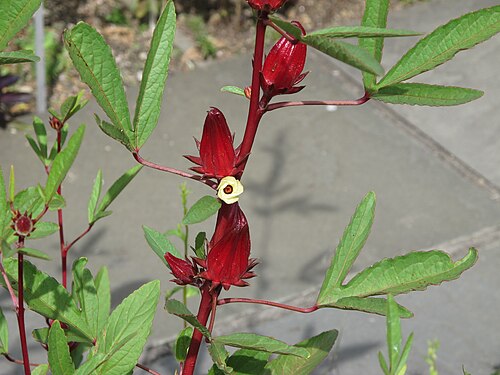
Hibiscus
洛神花 (Luò Shén Huā) · Hibiscus sabdariffa
The ruby-red tea flower with solid evidence for blood pressure reduction — comparable to some medications in trials. Also supports cholesterol, liver health, and weight management.
Dobre na
Kluczowe korzyści
May provide antioxidant protection
Traditionally associated with healthy aging and vitality
May support healthy digestive function
Traditionally used to harmonize the stomach and intestines
Jak stosować
Bezpieczeństwo i interakcje
Możliwe skutki uboczne
- Generally well tolerated at recommended doses
- Mild digestive upset possible in sensitive individuals
Nie stosować jeśli
- Known allergy to this plant or related species
- Consult healthcare provider if pregnant or nursing
Interakcje z lekami
- No major drug interactions documented at standard doses
- Inform your doctor of all supplements you take
Tradycyjne zastosowanie
In Traditional Chinese Medicine, 洛神花 (Luò Shén Huā) has been used for centuries. It supports the spleen and stomach — the foundation of post-natal qi production in TCM theory. It is considered a longevity tonic — nourishing the fundamental essence (jing) and supporting the kidneys.
Współczesne badania
This herb has extensive scientific backing with hundreds of published studies. Multiple clinical trials support its traditional uses, and active compounds have been well-characterized. It represents one of the more evidence-based options in the herbal pharmacopoeia.
Zobacz badania na PubMed →Where to Buy
Affiliate links — purchases support this free resource.