Beste urter for Fordøyelse
66 urter rangert etter evidens · Side 4 av 7
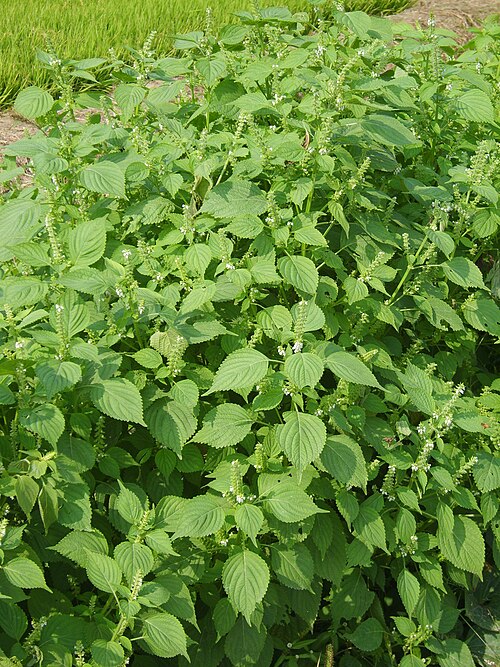
Perilla Leaf (Zi Su Ye) 紫苏叶
The shiso leaf of Japanese cuisine. In TCM releases the exterior for colds, calms nausea, and resolves seafood poisoning. Rich in rosmarinic acid with anti-allergic effects.
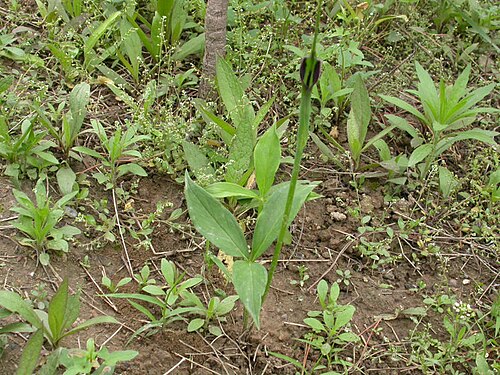
Pinellia (Ban Xia) 半夏
The primary TCM herb for resolving phlegm and stopping vomiting. Always used in processed form (raw is toxic). Key ingredient in formulas for nausea, cough, and insomnia with phlegm.
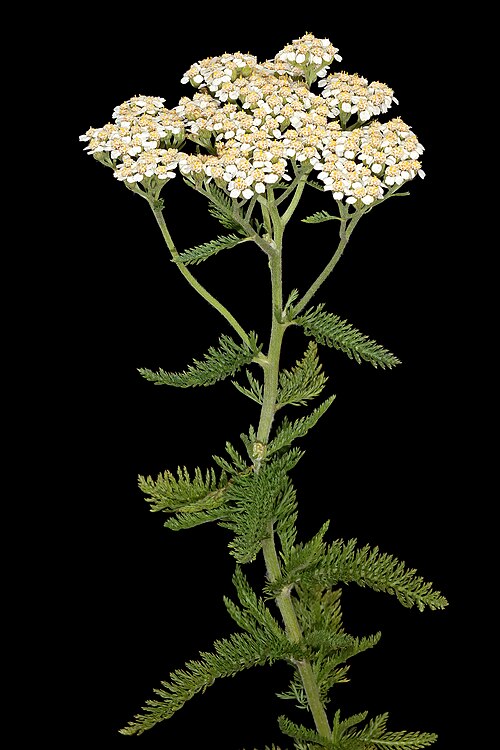
Yarrow 蓍草
Named after Achilles who used it to treat wounds. A versatile herb for wound healing, fever, digestive cramps, and heavy menstrual bleeding. Bitter tonic and circulatory stimulant.
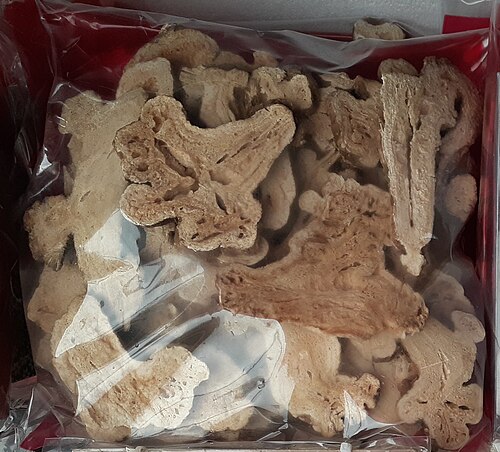
Atractylodes (Bai Zhu) 白术
One of the core TCM digestive herbs. Used for poor appetite, bloating, diarrhea, and fatigue. A key ingredient in the famous Four Gentlemen formula.
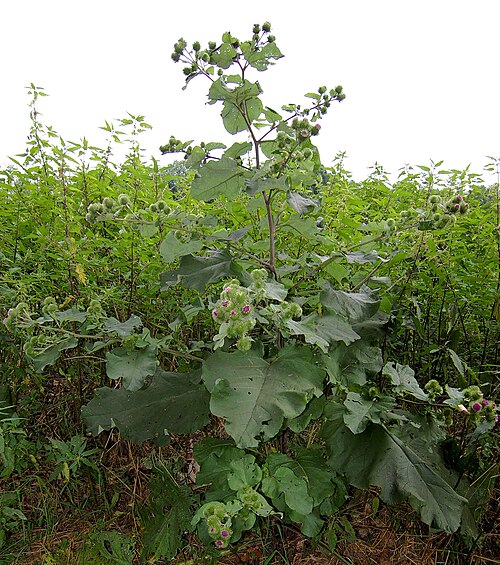
Burdock Root 牛蒡
A prebiotic-rich root vegetable used in both Japanese cuisine (gobo) and TCM for skin conditions, detoxification, and blood purification. Contains inulin fiber.
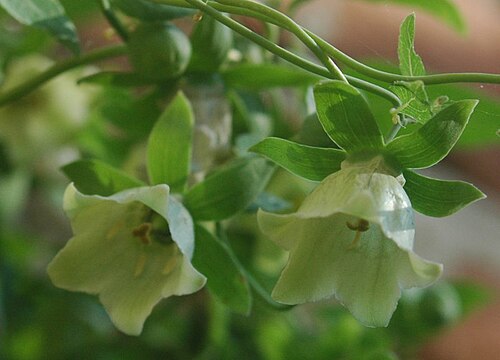
Codonopsis (Dang Shen) 党参
Known as 'poor man's ginseng' — a gentler, more affordable energy tonic. Used daily in Chinese soups and teas for fatigue, poor appetite, and recovery from illness.
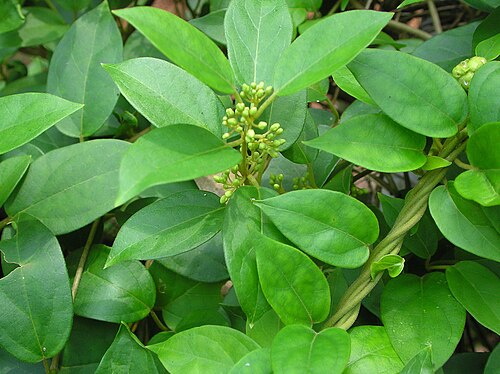
Gymnema Sylvestre 匙羹藤
Called 'sugar destroyer' in Hindi — temporarily blocks sweet taste receptors when chewed. Strong evidence for blood sugar regulation and sugar craving reduction.
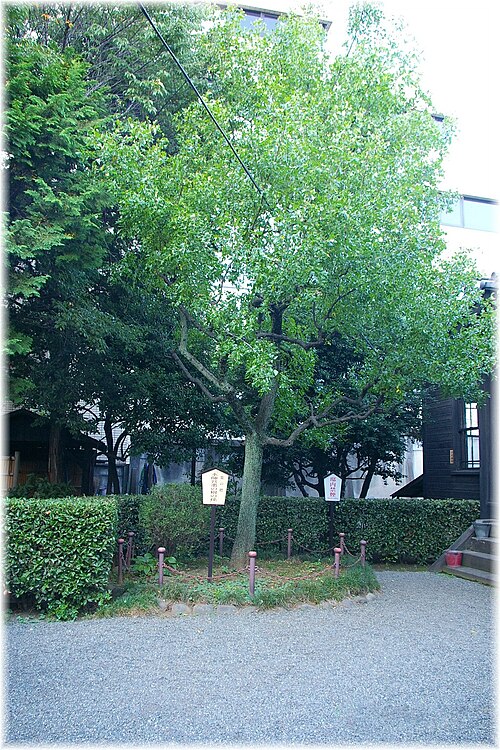
Jujube (Chinese Date) 大枣
One of the most consumed fruits in TCM. Used for calming the mind, improving sleep quality, and nourishing blood. Rich in vitamin C and antioxidants.
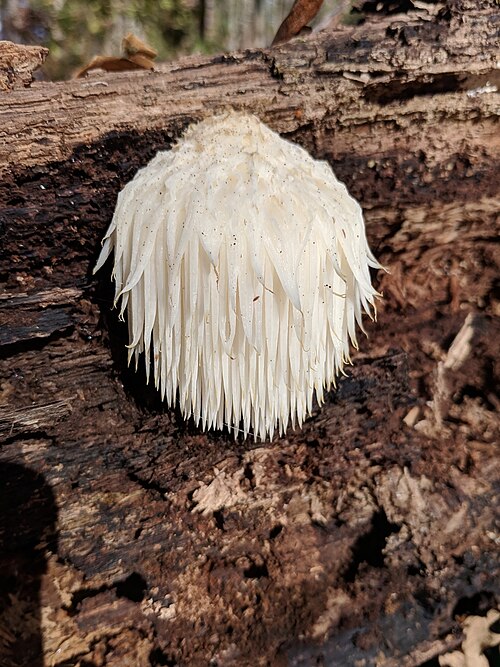
Lion's Mane Mushroom 猴头菇
A culinary and medicinal mushroom gaining massive popularity for its unique ability to stimulate nerve growth factor (NGF) production, supporting brain health and cognitive function.
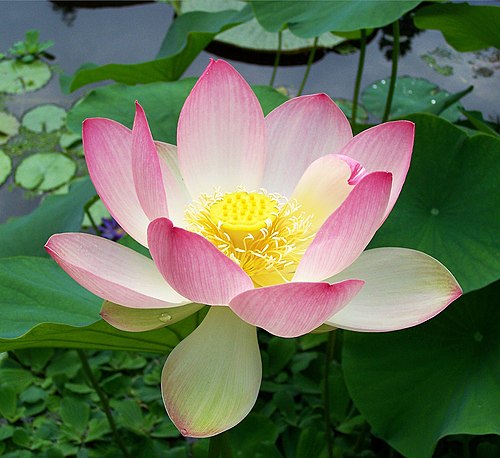
Lotus Seed 莲子
Used in TCM to calm the mind, strengthen the spleen, and stop diarrhea. Also a popular food ingredient in Chinese soups and desserts. Rich in minerals and alkaloids.